Waste gas treatment is a critical part of modern rendering plants, fish meal production facilities, and slaughter waste processing operations. These industrial processes release odor-causing gases such as ammonia, hydrogen sulfide, and volatile organic compounds (VOCs), which must be treated before discharge to meet environmental standards.
Two of the most commonly used odor control technologies are the Scrubber and the odor digestion treatment system. While both systems are designed to treat exhaust gases, they operate using fundamentally different mechanisms and are suited for different stages of odor treatment.
This guide explains the differences between scrubber and odor digestion treatment system, including how they work, their advantages, limitations, and when to use each in rendering plants.
What Is a Scrubber and How Does It Work?
Scrubber, removes pollutants by bringing waste gas into contact with a liquid, typically water or chemical solutions.
Working Principle
The scrubber removes pollutants through three primary mechanisms:
Dissolution: Water-soluble gases dissolve into the liquid
Absorption: Pollutants transfer from gas phase into liquid phase
Chemical reaction: Acidic or alkaline solutions neutralize harmful compounds
In rendering plants, scrubber typically use a multi-stage scrubbing process:
Acid washing stage removes alkaline gases such as ammonia
Oxidizing stage breaks down sulfur compounds and organic odors
Alkali washing stage neutralizes acidic gases
This three-stage washing design significantly improves odor removal efficiency.
Main Components
A typical scrubber includes:
Tower body with packing structure for gas-liquid contact
Liquid spraying system with nozzles and circulation pump
Contaminated liquid collection system
Automatic control system for flow, pressure, and liquid level
Advantages of Scrubber
Low operating cost
Continuous operation capability
Effective removal of water-soluble gases
Relatively simple structure and easy maintenance
Suitable for large gas volumes
Limitations of Scrubber
Less effective for non-soluble organic compounds
Cannot completely eliminate strong odors alone
Produces wastewater requiring treatment
May require multiple stages for full purification
What Is an Odor Digestion Treatment System and How Does It Work?
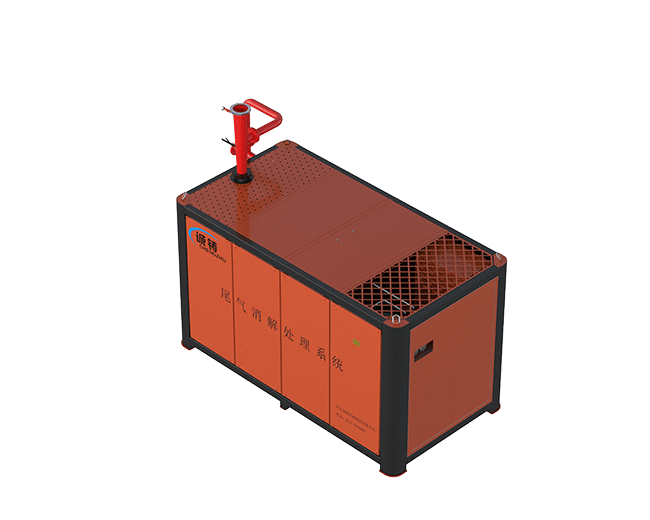
An odor digestion treatment system uses regenerative catalytic combustion to break down odor molecules into harmless substances such as carbon dioxide and water.
Working Principle
This system eliminates odors through high-temperature catalytic oxidation:
Waste gas enters the catalytic combustion furnace
The system heats gas to approximately 700–800°C
Catalysts accelerate oxidation of organic compounds
Odor molecules convert into CO₂, H₂O, and nitrogen compounds
Remaining gas passes through spray tower polishing stage
Unlike washing towers, which transfer pollutants into liquid, odor digestion systems destroy odor molecules at the molecular level.
Key System Components
Catalytic combustion furnace
Heat accumulator with catalyst materials
Burner and fuel supply system
Automated safety control system
Cooling and absorption unit
Advantages of Odor Digestion Systems
Extremely high odor removal efficiency
Eliminates VOCs completely rather than transferring them
Suitable for strong odor environments
Minimal secondary pollution
Meets strict emission standards
Limitations of Odor Digestion Systems
Higher initial investment cost
Requires fuel such as natural gas
More complex system structure
Higher energy consumption compared to washing towers
Scrubber vs Odor digestion treatment system: Key Differences Explained
The scrubber and odor digestion treatment system differ in technology, efficiency, and application scope.
Comparison Factor
Scrubber
Odor Digestion Treatment System
Treatment principle
Liquid absorption and chemical neutralization
Catalytic combustion oxidation
Odor removal mechanism
Transfers pollutants into liquid
Destroys pollutants completely
Odor removal efficiency
Medium to high
Very high
Best for
Ammonia, dust, water-soluble gases
VOCs, strong organic odors
Operating cost
Low
Medium
Initial investment
Low
Higher
Secondary pollution
Produces wastewater
Minimal
System complexity
Simple
Complex
Typical application stage
Primary or secondary treatment
Final odor elimination stage
Which System Is Better for Rendering Plants?
The choice depends on odor intensity, regulatory requirements, and system design.
Scrubber Are Best For:
Primary odor treatment
Removing ammonia and water-soluble gases
Plants with moderate odor concentration
Facilities with budget constraints
Pre-treatment before advanced systems
Odor Digestion Treatment System Are Best For:
Strong odor treatment environments
Final treatment stage before discharge
Facilities requiring strict emission compliance
High VOC concentration applications
Slaughter waste and animal fat rendering plants
Why Modern Rendering Plants Use Both Systems Together
Most modern rendering plants use a combination of odor Digestion Treatment System and scrubber to achieve maximum efficiency.
Combined Treatment Process
Typical process flow:
Waste gas collection under negative pressure
Catalytic combustion odor digestion
Spray tower washing and absorption
Clean gas emission
This combined system offers several benefits:
Maximum odor removal efficiency
Compliance with environmental regulations
Reduced environmental impact
Improved workplace air quality
The odor digestion treatment system removes organic compounds at the source, while the washing tower acts as a polishing stage to remove remaining trace pollutants.
Application Examples in Rendering and Fish Meal Plants
Both systems are widely used in:
Slaughter waste rendering plants
Animal fat processing plants
Fish meal production facilities
Feather meal processing plants
Dead animal rendering plants
These facilities generate high levels of hydrogen sulfide, ammonia, and VOC gases that require multi-stage treatment.
How to Choose the Right Odor Control System
When selecting between scrubber and odor digestion troeatment system, consider the following factors:
Choose a Scrubber if:
Gas contains mainly ammonia or soluble pollutants
Budget is limited
Odor intensity is moderate
Used as pre-treatment stage
Choose an Odor Digestion Troeatment System if:
Odor is strong and persistent
VOC concentration is high
Emission standards are strict
Full odor elimination is required
Choose Both Systems if:
Operating a full-scale rendering plant
Regulatory compliance is critical
Maximum odor removal efficiency is required
Conclusion
Both scrubber and odor digestion treatment systems play essential roles in industrial odor control, but they serve different purposes.
Scrubber are effective and economical solutions for removing soluble gases and performing primary odor treatment. Odor digestion treatment systems provide complete destruction of organic odor molecules and ensure compliance with strict environmental standards.
For rendering plants, slaughter waste processing facilities, and fish meal production operations, the most effective solution is often a combination of both technologies. This integrated approach ensures maximum odor removal efficiency, environmental compliance, and safe plant operation.





 Blog · 6 月 12, 2026 New Trend in Feed Raw Material Optimization: Gradual Replacement of Meat Bone Meal by Fish Meal Becomes the Industry’s Preferred Choice Read More