Analyzing Slaughter Waste: Definition, Composition and Recycling
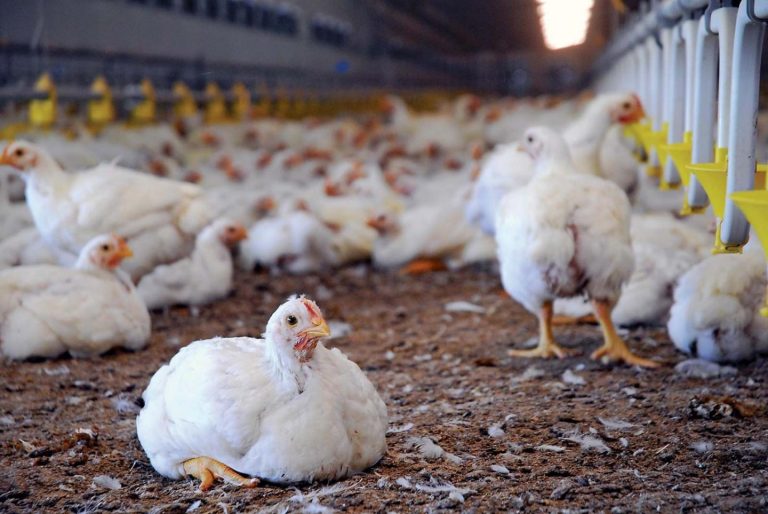
Slaughter waste refers to a wide range of materials generated during animal slaughter operations that have lost their direct utilization value. These wastes originate from a wide range of slaughter processes and cover mainly.
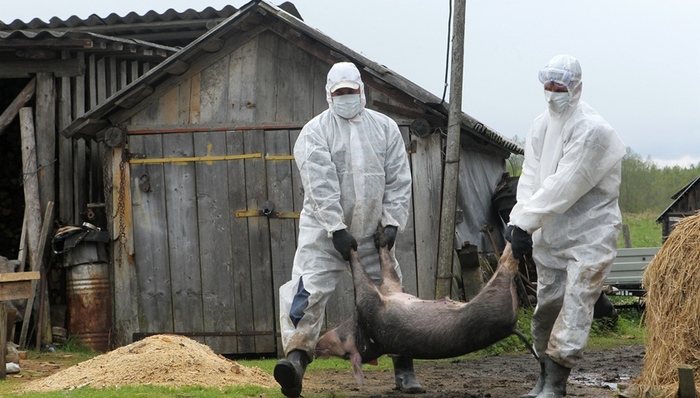
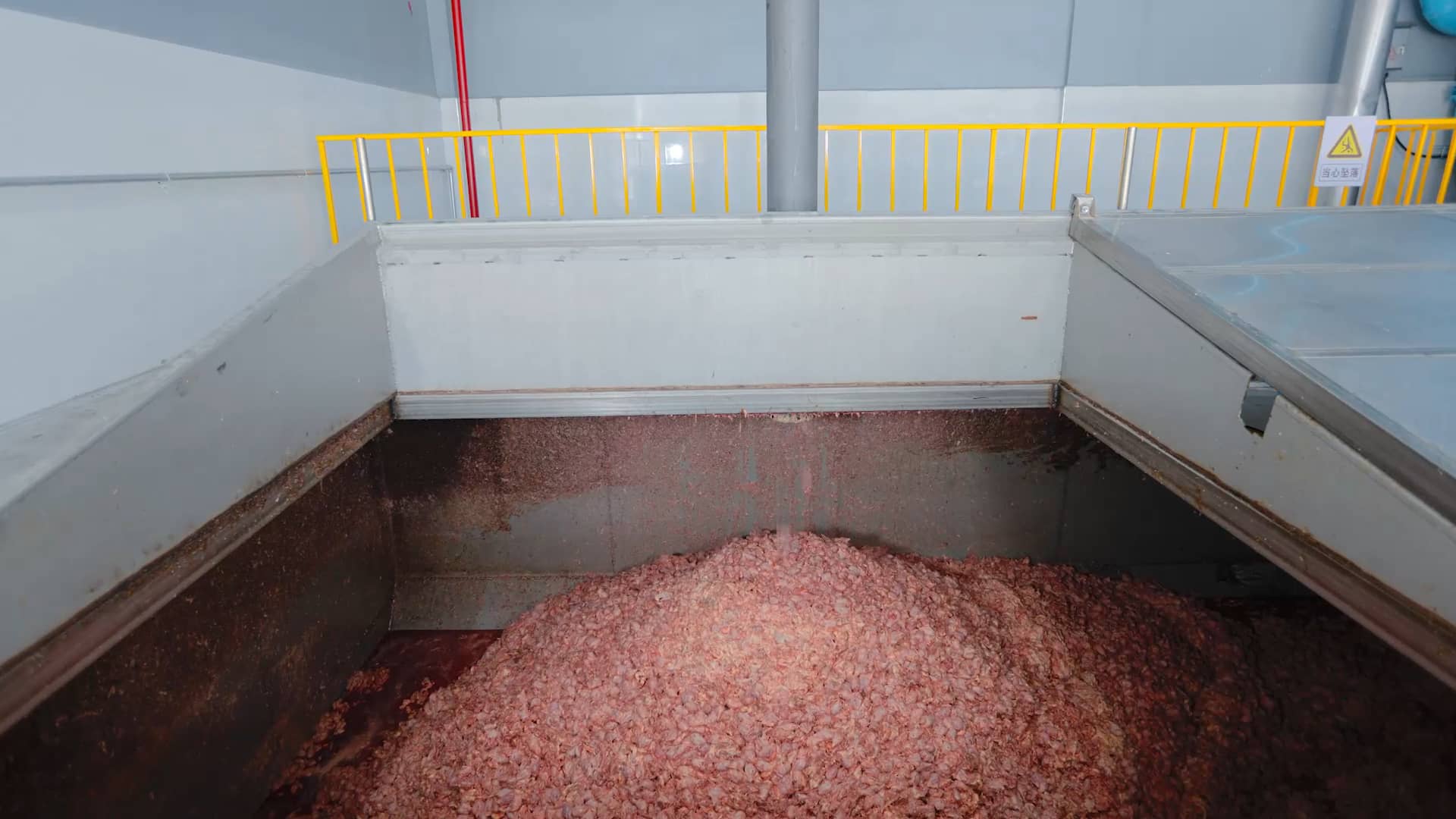
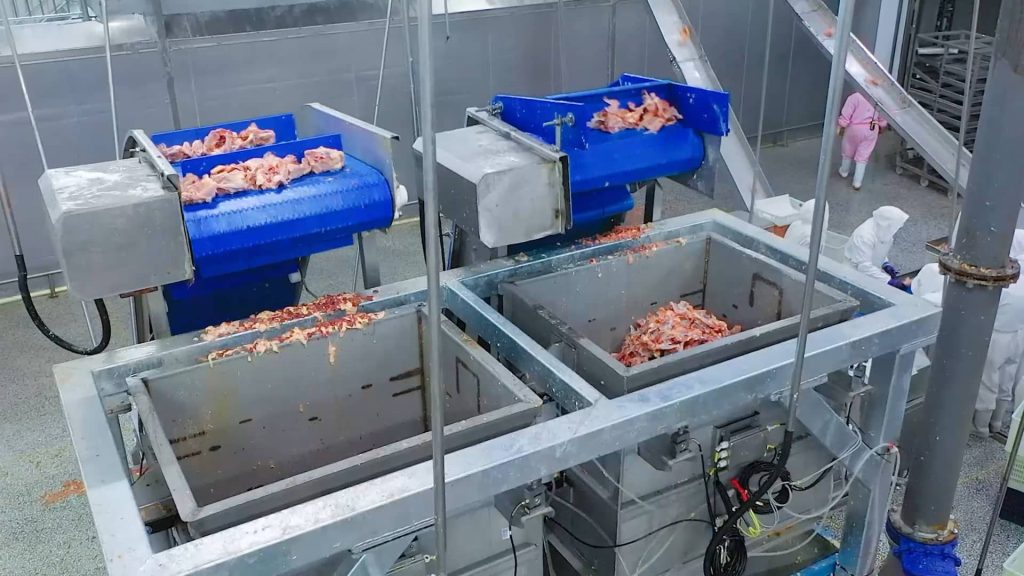
Animal carcass waste: This consists mainly of various types of solid residues, such as blood, offal, bones and feathers, which are separated from the animal slaughtering process. A significant proportion of this waste consists of blood (containing sludge and fats such as lard) and offal debris (such as chicken intestines). These substances decompose slowly in the natural environment and some may contain highly toxic components, posing a potential threat to the environment and ecosystems.
Slaughter production waste: This covers a wide range of non-edible substances generated during the slaughtering process, including mainly products scrapped due to substandard quality, processing errors, etc., as well as explicitly inedible parts, such as by-products of specific processes such as fats, oils and dregs. These wastes lose their value for direct utilization in the food production chain and need to be treated appropriately to avoid adverse impacts on the environment and resources.
Other wastes: In the operation of slaughterhouses, there are various other types of wastes in addition to those directly originating from the slaughtering process. These include obsolete equipment that has been rendered obsolete by technological upgrading or damage, as well as non-reusable accessories, tools and iron containers that have been replaced in the course of equipment maintenance. In addition, the production process generates used packaging materials such as cardboard boxes, films, baling strips, plastic drums, etc., which are considered waste once they have fulfilled their packaging function.
Potential and pathways for reuse of slaughter waste:
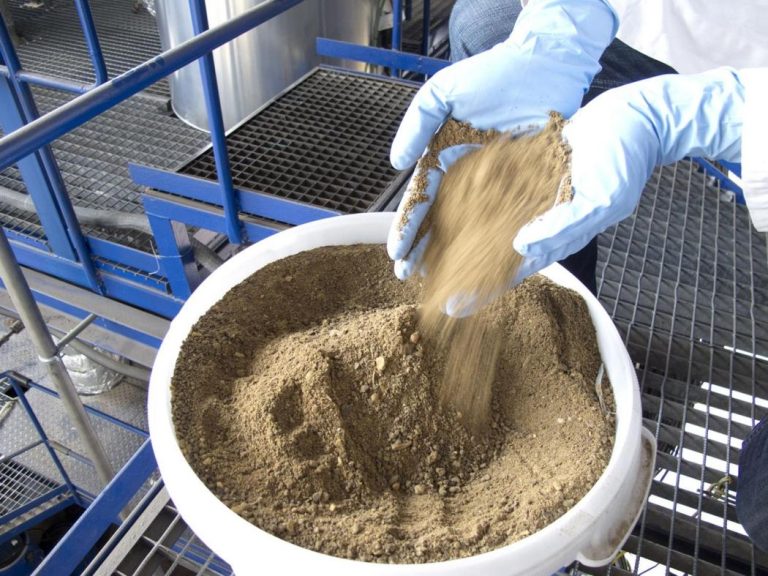
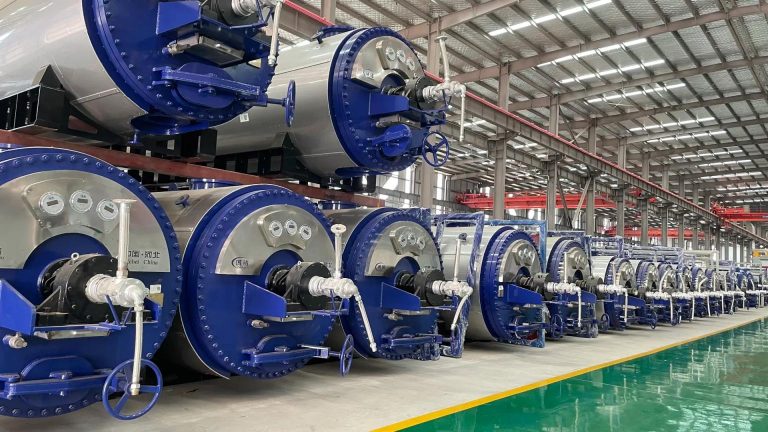
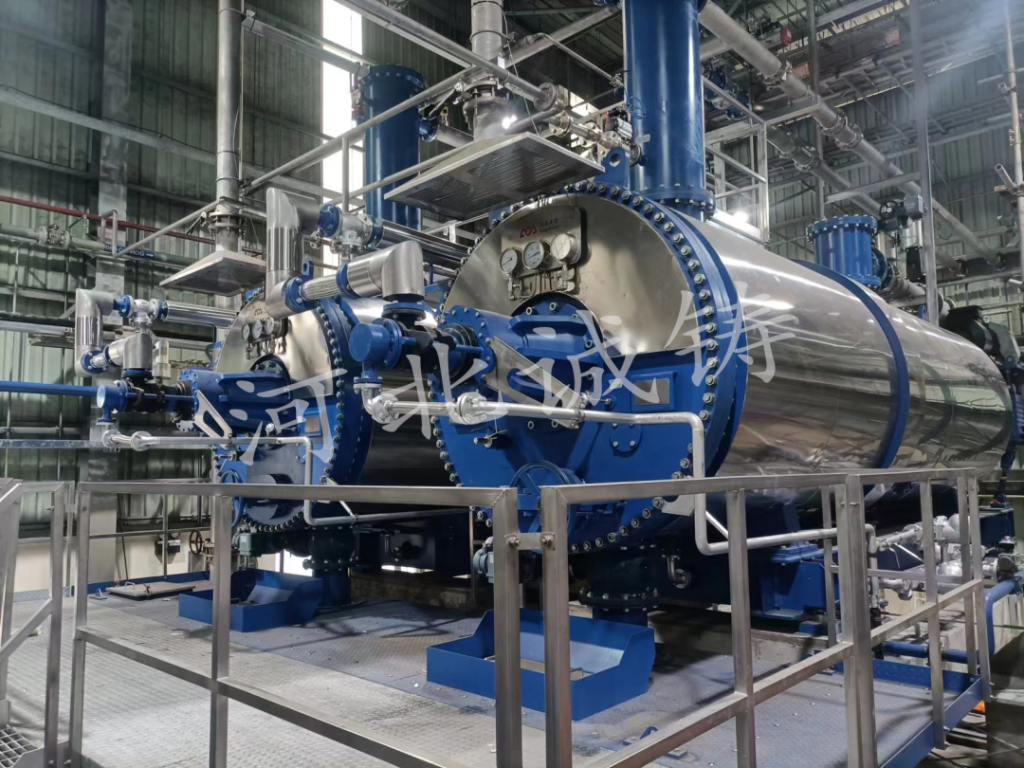
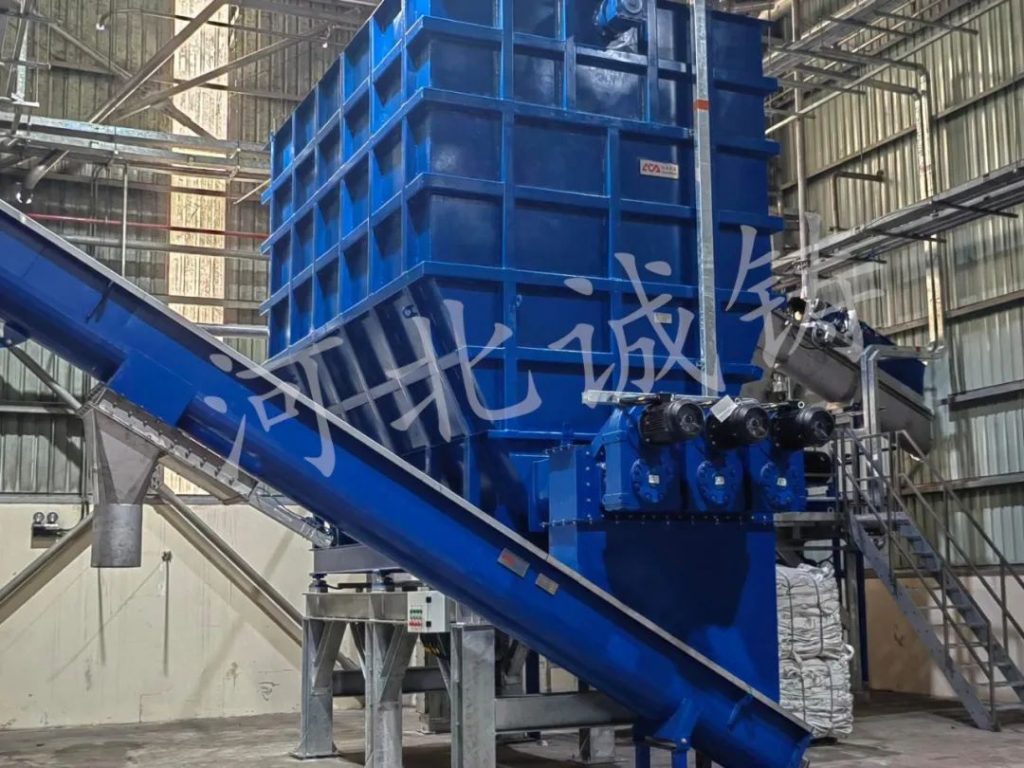
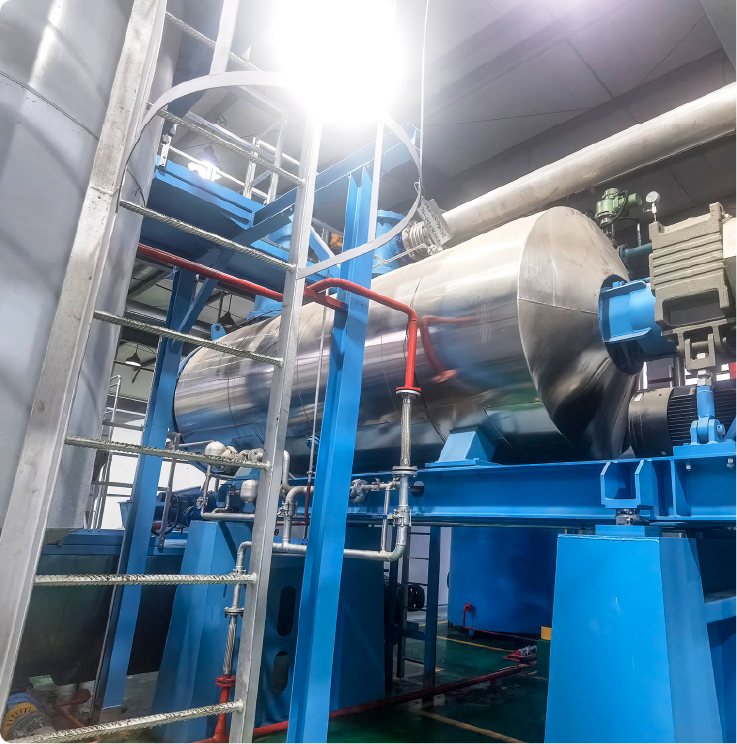
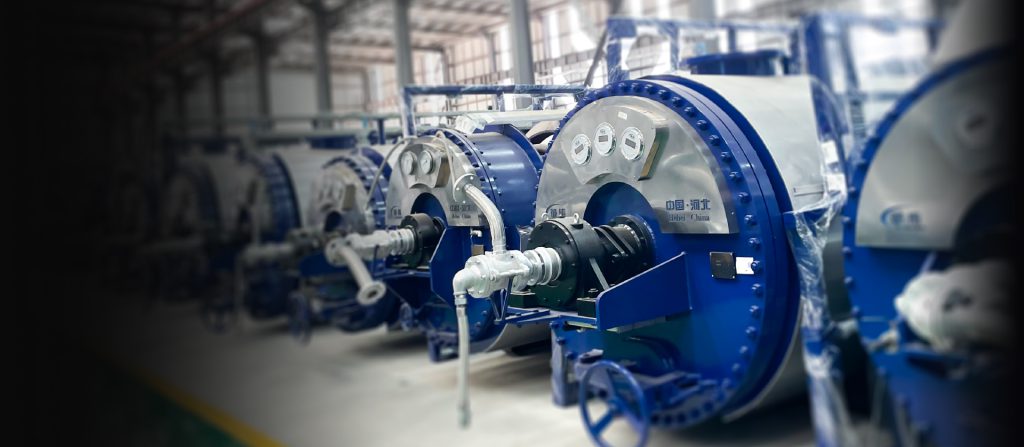
Our Sunrise equipment has demonstrated excellent resource recovery capabilities for the slaughter wastes mentioned in this article, particularly the animal blood, offal, feathers, bones, and horns mentioned in items 1 and 2. Through advanced processing techniques, these materials, which would otherwise be considered waste, can be converted into high-value by-products including, but not limited to, meat and bone meal, feather meal, blood meal, fish meal, and pure animal fats and oils. This process not only realizes the effective transformation of waste, but also promotes the recycling of resources, in line with the concept of sustainable development.
Products such as meat and bone meal, feather meal, blood meal, fish meal and animal fats and oils have a wide range of applications. They are not only high-quality animal feed raw materials, providing rich nutrients for the livestock industry; at the same time, these products can also be used as fertilizer raw materials, providing the necessary nutrients for agricultural production; in the chemical industry, they can be used as additives to enhance the performance of the products; and in the cosmetic industry, certain specific ingredients can also be used as additives to enhance the quality and effect of the products; in addition, animal fats and oils are also the important raw materials for biodiesel, contributing to the field of renewable energy. In addition, animal fats and oils are important raw materials for biodiesel, contributing to the renewable energy sector. These diverse applications fully demonstrate the high added value and wide market prospects of these products.
The Importance and Necessity of Recycling and Disposal of Slaughter Waste
Slaughter wastes are rich in organic substances such as blood, oil and grease, and offal fragments, which, if discharged directly into water bodies without proper treatment, can cause a series of environmental problems. These organic substances will promote the process of eutrophication of water bodies, leading to abnormal proliferation of algae, a phenomenon known as “water bloom”. The proliferation of algae will consume the dissolved oxygen in the water body, resulting in the lack of oxygen in the water body, thus destroying the ecological balance of water quality, posing a serious threat to the survival of aquatic organisms, and may even lead to the collapse of the water body ecosystem. Therefore, proper recycling and treatment of slaughtering waste is a key measure to prevent water pollution, protect aquatic biodiversity and maintain ecological balance.
If direct burial is chosen to dispose of slaughtering waste, its decomposition process will naturally release a variety of harmful malodorous gases, such as methane and hydrogen sulphide. These gases not only seriously pollute the air and lower the quality of the environment, but may also pose a threat to the health of humans and livestock. Specifically, they can irritate the respiratory system, leading to discomfort and even disease; they can also irritate and cause damage to the skin and eyes. Therefore, direct burial is not the ideal way to dispose of slaughter waste, and more environmentally friendly and safer means of disposal are needed to avoid these adverse effects.
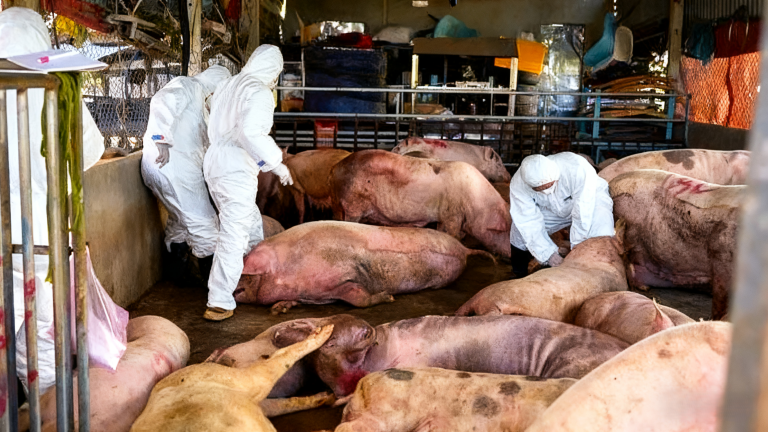
A variety of extremely harmful pathogenic microorganisms, such as Escherichia coli and Salmonella, are lurking in slaughter wastes, and they constitute a public health risk that cannot be ignored. These pathogens can not only survive and multiply rapidly in water and soil, forming a potential source of pollution, but are also very easy to pass through the complex ecological chain and food chain, and ultimately invade the human body, leading to a variety of diseases, posing a direct threat to human health. Therefore, proper treatment of slaughtering waste to prevent the spread of pathogenic microorganisms is an important part of ensuring public health safety.
With our Chengzhu equipment, animal slaughter waste can be treated in a comprehensive and harmless manner, effectively eliminating its potentially hazardous elements. These facilities not only ensure the safety of the treatment process, but also promote the utilization of waste resources, turning waste that would otherwise be considered a burden into a valuable resource. While protecting the local environment from pollution, Chengzhu’s equipment also creates economic benefits for the society, realizing the harmonious symbiosis of environmental protection and benefits. Choosing Chengzhu is choosing a green and sustainable future.
Meat and bone meal equipment, feather meal equipment, fish meal equipment, animal fat extraction equipment, comprehensive equipment manufacturer – Hebei Chengzhu

 Blog · 10 月 29, 2025 Làm thế nào để phòng ngừa và kiểm soát dịch tả lợn châu Phi tại Việt Nam? Chengzhu – Hướng dẫn xử lý lợn chết vô hại Read More