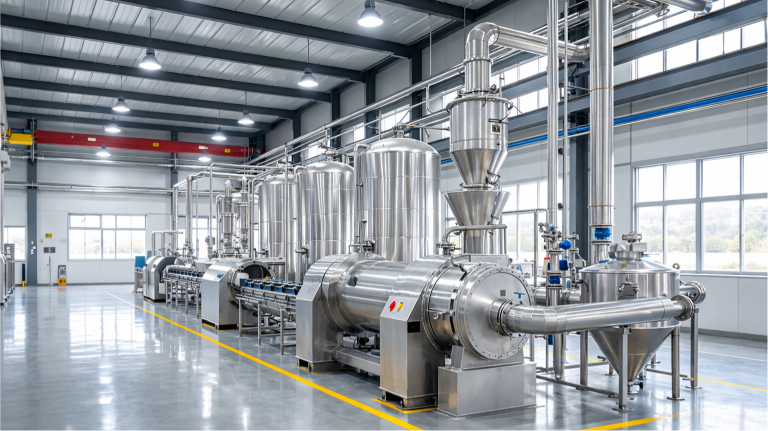
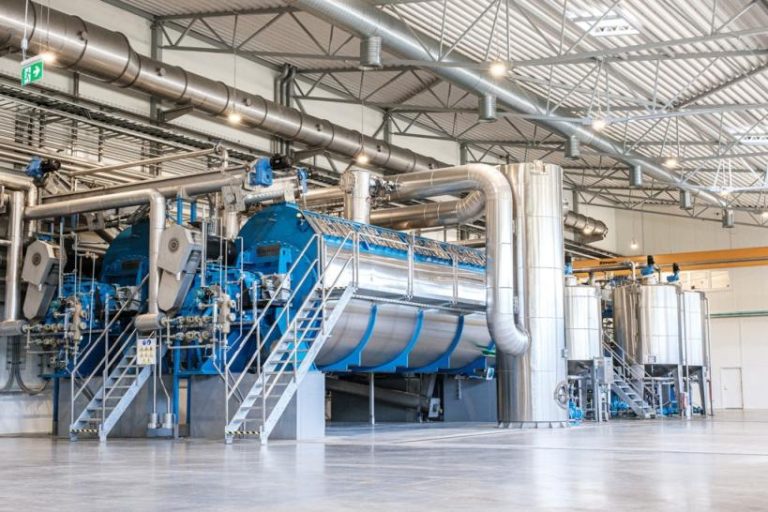
Rendering line design directly determines fat recovery rate, energy consumption, operating cost, and overall plant profitability. A well-engineered rendering line ensures continuous material flow, stable thermal processing, efficient fat separation, and minimal downtime.
This guide explains how to design a rendering line for maximum efficiency, based on real industrial rendering plant engineering principles and equipment configuration.
What Is a Rendering Line and Why Design Matters
A rendering line is a complete processing system that converts animal by-products into usable materials such as animal fat and protein meal through controlled heating, separation, and material handling.
A properly designed rendering line ensures:
Higher fat recovery yield
Lower energy consumption per ton
Stable continuous operation
Reduced maintenance and downtime
Consistent product quality
Poor rendering line design leads to bottlenecks, heat loss, incomplete fat recovery, and increased operating costs.
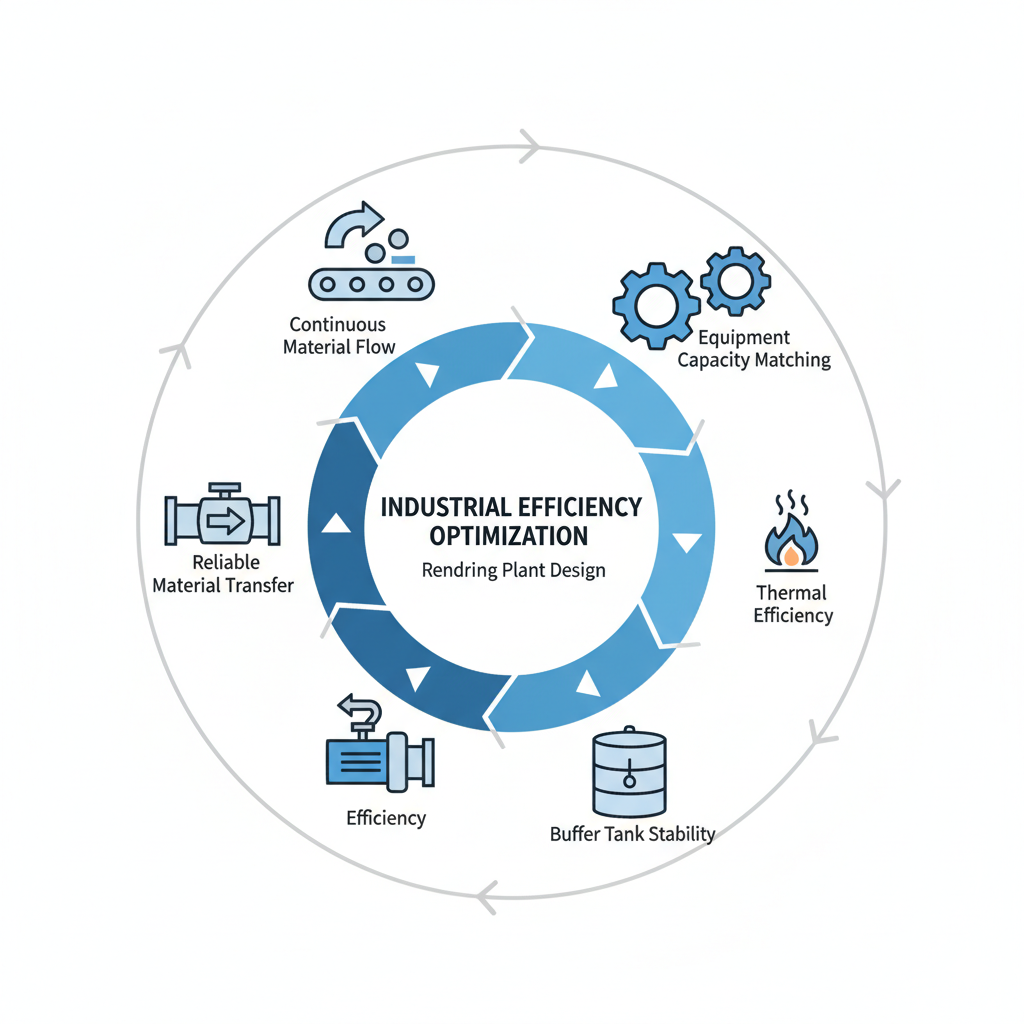
Efficiency begins with system-level design, not individual equipment selection.
Core Components of a High-Efficiency Rendering Line
A modern rendering line includes several coordinated processing stages. Each component must be designed to support continuous and efficient operation.
Raw Material Transfer System
Material transfer equipment ensures continuous and controlled movement of raw material between processing stages.
Key equipment includes:
Screw conveyors
Transfer pumps
Feeding conveyors
Efficient transfer design prevents material accumulation, blockage, and inconsistent cooker loading. Continuous feeding improves overall line efficiency.
Thermal Processing Section (Cooking Stage)
The cooking stage is the most critical part of the rendering line. It separates fat from solid material through controlled heating.
Efficient cooker design ensures:
Uniform heat distribution
Proper residence time
Maximum fat release
Controlled moisture evaporation
Proper cooker capacity must match plant throughput requirements to prevent system imbalance.
Fat Transfer and Buffer System
After cooking, rendered fat must be transferred efficiently to storage or downstream processing.
Buffer tanks and transfer pumps provide:
Continuous fat flow
Temperature stabilization
Process balancing between stages
Prevention of system interruption
Buffer tanks allow the rendering line to operate continuously even when downstream systems fluctuate.
Vapor and Air Handling System
Rendering generates vapor, moisture, and airborne particles during cooking and material transfer. Air handling systems such as cyclone separators improve system efficiency by:
Efficient rendering lines generate higher long-term return on investment.
How to Design a Rendering Line Based on Plant Capacity
Rendering line design must begin with throughput requirements.
Key design considerations include:
Daily processing capacity
Material type and characteristics
Available plant space
Utility availability
Operational goals
Engineering design must align with production requirements.
Conclusion
Rendering line design is the foundation of efficient rendering plant operation. A properly designed system ensures continuous material flow, optimized thermal processing, stable fat transfer, and reliable system integration.
By using properly sized cookers, transfer systems, buffer tanks, and airflow management equipment, rendering plants can maximize fat recovery, reduce energy consumption, and achieve stable, long-term production efficiency. Investing in proper rendering line design ensures higher productivity, lower operating costs, and improved profitability for rendering plant operations.



 Blog · 4 月 03, 2026 Rendering Line Design for Maximum Efficiency: Complete Engineering Guide Read More