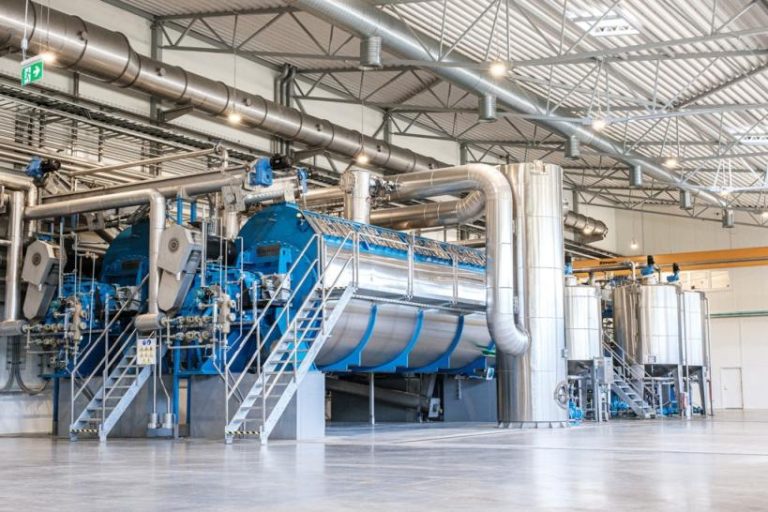
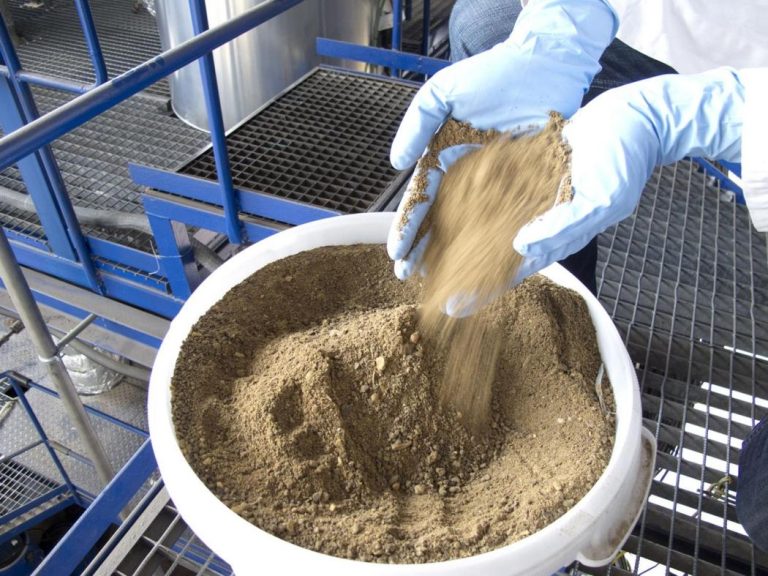
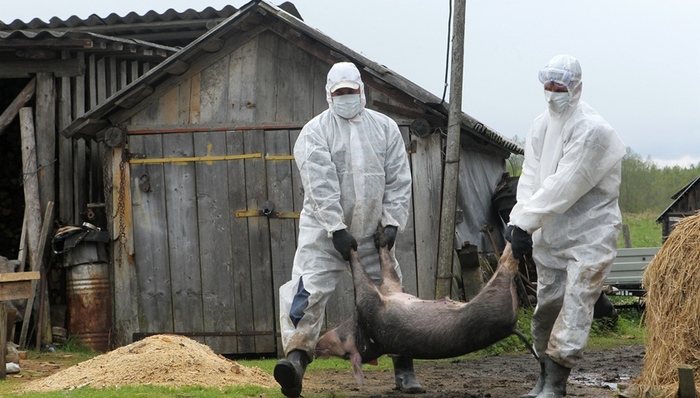
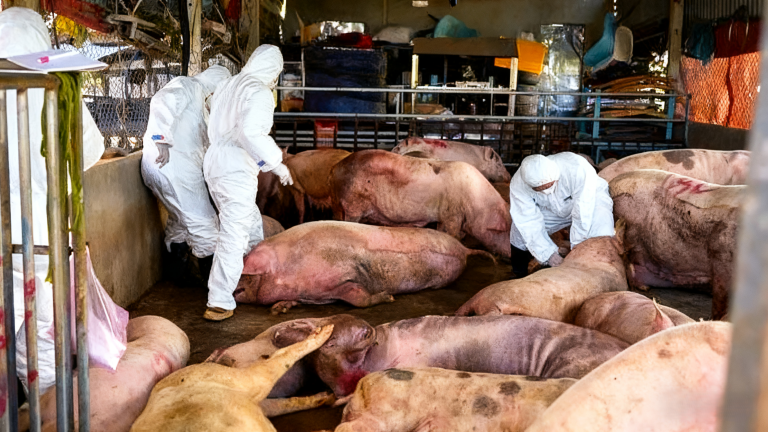
A rendering plant is a facility that processes animal by-products, like bones, fat, and meat waste, into usable products. These plants play a big role in reducing waste. They turn by-products into materials like animal feed, oils, and fertilizers. Without them, waste disposal would be more harmful to the environment. But why do costs matter here? If you run a farm, a meat plant, or a food company, knowing the costs can help you make smart decisions. It can affect your profits, investment choices, and long-term growth. Understanding this financial side is key, especially for businesses aiming to stay competitive.
Overview of Rendering Plants
Definition and Purpose
A rendering plant processes animal by-products, such as bones, fat, and meat waste. It turns these materials into useful products, like animal feed, oils, and fertilizers. The purpose of these plants is to reduce waste, recycle materials, and produce valuable goods for various industries. They also help minimize environmental damage by ensuring proper waste disposal.
Types of Rendering Plants
Rendering plants come in different types, depending on what they process and produce:
Animal Rendering Plants – They handle livestock by-products like meat, bones, and fat.
Fish Rendering Plants – These process waste from fish, turning it into fish meal and oil.
Industrial By-Product Processing Plants – They process waste from food factories and slaughterhouses to produce fertilizers or industrial oils.
Key Industries that Benefit from Rendering
Rendering plants benefit multiple industries:
Agriculture – Farmers use the processed products as fertilizers or animal feed.
Food Production – Meat and fish producers minimize waste and recover by-products.
Pet Food Industry – Animal fats and proteins from rendering are used in pet food manufacturing.
Chemical Industry – Some by-products are used in making soaps, lubricants, and other chemicals.
(Animal Crusher Machine/Rendering Plant Crusher)
Major Cost Components of Setting Up a Rendering Plant
Land and Location
Setting up a rendering plant requires land, which is a major expense.
Land Acquisition or Leasing Costs – The cost depends on the location and size of the facility.
Proximity to Raw Materials – The plant should be close to sources of raw materials like animal waste or by-products.
Transportation Logistics – Easy access to transport routes is important for moving raw materials and finished products efficiently.
Building and Construction
Building the plant includes the costs of structures and necessary systems.
Construction Costs – This includes factory buildings, storage areas, and waste management systems.
Infrastructure Development – Facilities for odor control, air quality management, and other environmental measures are essential.
(Feather Water Separation Sieve)
Equipment and Machinery
Machinery is one of the biggest investments in a rendering plant.
Types of Equipment – Key machines include grinders, cookers, presses, and drying units.
Price Range of Machinery – Costs vary based on machine size and capacity.
Maintenance Costs – Regular servicing is needed to ensure smooth operations and prevent breakdowns.
Utilities and Waste Treatment Systems
Running a rendering plant requires significant utility resources.
Energy Costs – Electricity and fuel expenses can be high due to continuous processing.
Water Usage and Treatment – Water is used for cleaning, processing, and cooling. Treatment systems ensure proper waste disposal and compliance with environmental regulations.
Labor and Staffing
A trained workforce is essential to run the plant effectively.
Employee Salaries – Engineers, operators, supervisors, and maintenance staff are needed.
Training Programs – Workers need training on operating machinery and following safety protocols.
(Heated Tank)
Initial Raw Materials and Operating Capital
Before operations begin, initial materials and funds are necessary.
Startup Raw Material Expenses – Initial supplies of raw animal by-products are needed.
Working Capital Requirements – Sufficient funds ensure smooth daily operations, including paying for raw materials and labor.
(Air Cyclone Separator)
Typical Price Ranges
General Pricing for Small, Medium, and Large Plants
The cost of setting up a rendering plant depends on its size. Small plants typically cost between $150,000 and $350,000. Medium plants may range from $350,000 $1 million. Large plants can cost $1 million or more due to higher capacity, larger equipment, and advanced systems. The size of the plant influences construction, machinery, and labor costs.
Low-End vs. High-End Cost Estimates
Low-end costs apply to small plants with basic equipment and minimal automation. These plants are ideal for businesses with limited budgets or lower production needs. High-end plants, on the other hand, use advanced machinery, automation, and environmental control systems. They offer higher efficiency, faster production, and better quality control but come with a larger investment.
Choosing between low-end and high-end setups depends on your budget, production goals, and long-term plans.
Cost-Efficient Solutions Provided by Chengzhu
Crushing and Rendering
Crushing raw materials is important. It makes loading, unloading, and transportation easier. Crushed materials decompose faster during cooking and drying. This improves nutrient conversion and speeds up the overall process.
Separation
Chengzhu’s Liquid-Solid Separator efficiently separates solid particles from liquid waste. Its automatic cleaning system reduces maintenance and saves time. The separator can be used in industries like food, chemicals, and pharmaceuticals. It improves efficiency and ensures high-quality results. By automating production with PLC systems, Chengzhu reduces the need for manual operations and increases process reliability.
(Fat Oil Press)
Rendering Cooker
The U-Type Cooling Screw Conveyor helps cool and transport bulk materials while controlling their temperature. It is suitable for industries like food processing and chemicals, where temperature management is crucial. This equipment ensures efficient cooling and careful handling of materials.
Fat Oil Pressing
Chengzhu provides high-quality grease pressing equipment along with technical support and after-sales service. Their team helps solve issues during production, ensuring smooth operation and improved output.
Waste Gas Treatment
Chengzhu’s waste gas equipment removes harmful gases, particles, and odors. This keeps the production environment safe and clean. It also protects worker health and improves production efficiency.
Why Choose Chengzhu As Your Supplier
Integrated Solutions for High Value
Chengzhu optimizes the processing of animal carcasses and slaughter waste to produce meat meal, bone meal, and fish meal. They focus on creating economic value while reducing waste. Their advanced equipment manufacturing capacity exceeds 1 billion yuan annually. The company also produces 50,000 tons of animal protein and 30,000 tons of liquid amino acid fertilizer each year.
Strong R&D and Innovation
Chengzhu has its own research and development base. It works with Hebei University of Science and Technology to develop new technologies. The company has received over 80 patents and several technological awards.
Full Industry Chain Coverage
Chengzhu covers the entire process, from equipment manufacturing to project investment and by-product processing. This ensures high returns, low energy consumption, and efficient use of resources. Their after-sales service system is reliable and backed by years of experience in project management and production.
Get Started with Our Cost-Efficient Rendering Solutions Today
If you want to reduce waste and boost profits, Chengzhu is here to help. We offer reliable, affordable, and efficient solutions for rendering plants. From equipment to technical support, our team is ready to meet your needs. Whether you are setting up a new plant or improving an existing one, we can provide customized solutions.
Contact us to learn more about our cost-saving equipment and services. Let us help you build a profitable and environmentally friendly rendering system. Start your journey toward better waste management today!



 Blog · 12 月 31, 2025 Fish Meal Production Plant: Efficient Processing for High-Quality Animal Feed Read More