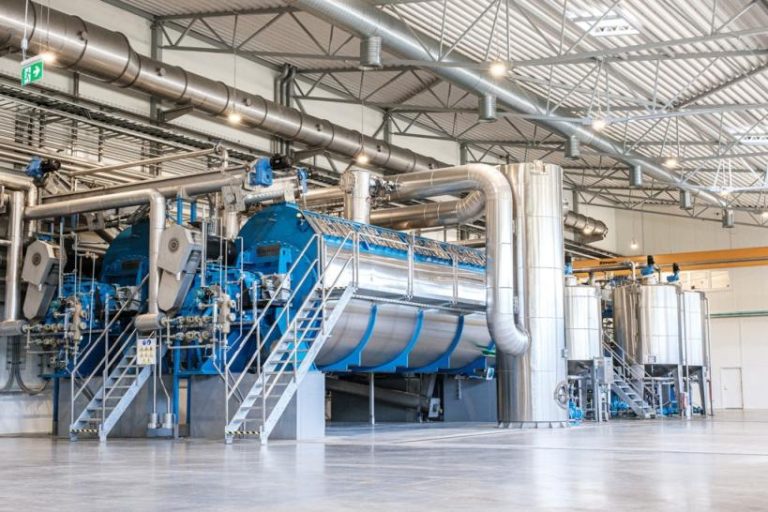
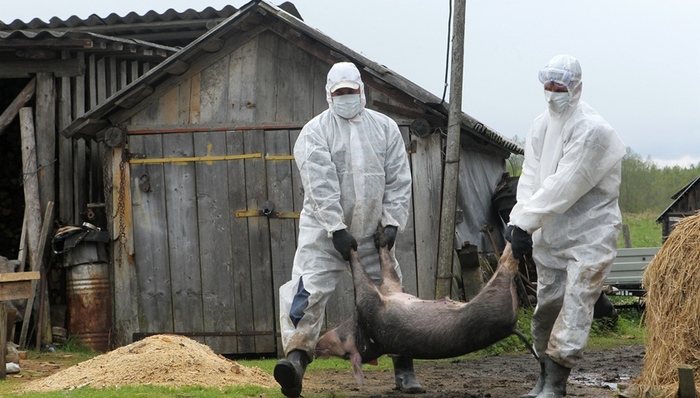
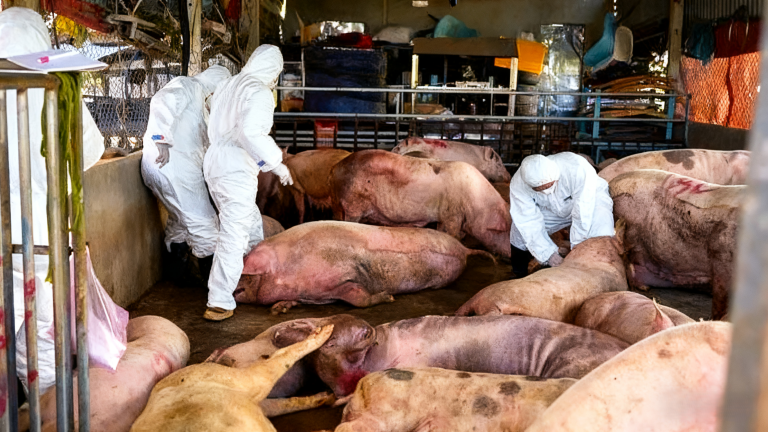
Slaughterhouse by-products create a problem that cannot wait. They spoil fast, attract pests, create odor, and raise biosecurity risk. A rendering plant solves that problem by applying controlled heat and separation so the material becomes stable and manageable.
This guide focuses on what matters in the field: the flow you need, the control points that determine yield and stability, and the odor-control approach that prevents complaints.
What a slaughterhouse rendering plant does
A rendering plant for slaughterhouse operations processes animal by-products so the site can control hygiene risk and reduce disposal pressure. A typical plant aims to produce:
Recovered fat or tallow for further use or sale
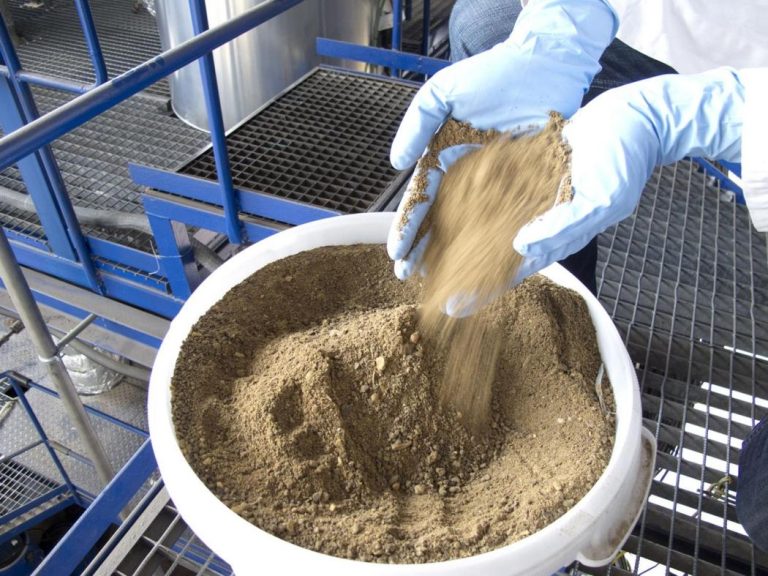
Protein solids that become meal after drying
Water streams such as condensate that need proper handling
Rendering does not make the material disappear. It converts an unstable input into outputs you can store, transport, and manage with consistent controls.
Start with the feedstock you actually handle
You cannot design a stable rendering section until you describe the feedstock in a practical way. Slaughterhouse inputs often include:
Poultry waste and mixed trimmings
Feathers and feather-rich streams
Fat trimmings and offal
Screenings and contaminated residues from handling areas
Three variables drive most of your decisions
Moisture
High moisture increases cooking load and raises the vapor and condensate load.
Fat content
Higher fat content increases the value of separation performance and changes the downstream storage and filtration needs.
Contamination and foreign matter
Packaging fragments, grit, and bone size affect crushing, conveying, and separation reliability.
If your feedstock varies across the week, treat the peak variability as the design case. The plant that runs well on the average day still fails on the worst day.
Choose a practical process approach for slaughterhouse by-products
Rendering plants generally operate in batch or continuous modes. Slaughterhouse by-products often fluctuate in composition and arrival pattern, so many sites rely on batch-based systems because they tolerate variability and support controlled thermal treatment.
When you evaluate a process route, focus on these questions:
Do you receive material in waves or in a steady stream
Do you need flexibility to run different materials in different shifts
Do you have stable steam and power for long running hours
Do you need stronger control over hygiene steps such as time and temperature
This article explains a batch-based flow that fits variable by-products. If your site runs continuous operation, you can still use the same control logic and odor-control approach.
A practical process flow from receiving to finished outputs
A rendering section becomes easier to manage when you treat it as modules. Each module has a clear purpose and clear failure signals. A typical slaughterhouse flow uses these steps.
Receiving and buffering
Receiving sets the tone for odor and hygiene. Do these things first:
Keep receiving as enclosed as you can
Buffer material so the cooking step sees a steadier feed
Keep surfaces cleanable and keep washdown water controlled
Open receiving areas create the strongest odor spikes because raw material sits exposed while staff handle it.
Size reduction and pre-conditioning
Size reduction improves heat transfer and helps the cooking step run more evenly. It also improves separation consistency later. Poor size reduction creates two common problems:
Cold cores inside larger pieces that extend cook time
Unstable separation because solids do not break down consistently
If you see frequent bridging, uneven cooking, or sudden press performance changes, size reduction and feeding uniformity often sit at the root.
Cooking and thermal treatment
Cooking drives moisture removal and prepares the material for separation. Stable cooking depends on:
Consistent feed rate or consistent batch load
Stable heat input
Clear rules for time and temperature control based on your material
Feather-heavy streams often need hydrolysis-style conditions to break down structure. If you under-process feathers, you pay later with separation instability and high moisture solids.
Separation of fat, solids, and water
Separation performance determines oil quality, solids moisture, and downstream odor risk. Plants often use one or more of these separation methods:
Mechanical pressing for robust primary separation
Decanter-style separation where fine solids and water handling matter
Filtration or polishing for fat quality stability
Separation issues rarely come from a single cause. They often trace back to cooking stability, feed variability, and contamination.
Use these practical checks:
Track oil clarity trend against feed variation
Track solids moisture trend against cooking conditions
Watch for sudden changes after maintenance, cleaning, or feed changes
Drying and cooling of solids
Drying makes meal stable for storage and transport. Drying instability shows up fast:
High final moisture creates spoilage risk and odor in storage
Over-drying wastes energy and can reduce meal quality
Cooling matters as much as drying. Warm meal in storage creates condensation and odor problems even when moisture looks acceptable at the dryer outlet.
Fat polishing and storage
Recovered fat becomes a stable product only when you control:
Water and fine solids carryover
Temperature management in storage
Settling or filtration where needed
Fat storage must stay cleanable and protected from water intrusion. Small water leaks or poor condensate control can ruin fat quality and trigger odor issues.
Condensate and wet streams handling
Cooking and vapor handling create condensate. The site must treat these streams as part of the process, not as an afterthought. Good practice starts with separation of stream types:
Clean condensate streams
Washdown and cleaning water
Oily and high-load streams
Your local environmental requirements determine how you treat and discharge these streams. Coordinate with your site environmental team and local authority early, because stream loads affect the layout, tanks, and odor-control approach.
Where yield and stability are won or lost
You can improve performance without chasing unrealistic promises. Focus on controllable drivers.
Keep your operating window stable
Yield and stability come from staying inside a consistent operating window. Build control around:
Feed consistency and buffering
Cooking temperature and time discipline
Separation tuning based on real material trends
Do not tune separation to one day’s sample. Trend performance across feed batches and across the week.
Track a small KPI panel that tells the truth
You do not need a complicated dashboard. Track a small set of numbers that signal stability:
Steam per ton of raw material
Power per ton
Oil yield trend and oil clarity trend
Meal moisture at discharge
Downtime reasons ranked by frequency
These KPIs help you isolate root causes faster than general complaints like “the line runs rough.”
Odor control that prevents complaints
Odor control fails most often because plants treat it as a single device problem. In reality, odor control depends on the full system:
You must capture odors at the source
You must keep the system under control with airflow balance
You must treat the captured gas with a method that fits your load
Know the main odor sources
Rendering odor usually spikes from:
Receiving and raw material handling
Cooking vapor release points
Separation and wet handling areas
Condensate and oily wet stream areas
If you only treat a main stack while leaving handling points open, you still get complaints.
Use a three-step odor-control approach
Step 1: Capture at the source
Capture works best when you enclose handling points and pull controlled airflow under slight negative pressure. Focus capture on the highest-emission points first:
Receiving hoppers and bins
Cooker vapor release points
Areas where wet solids or condensate expose surface area
Step 2: Stabilize with condensation and washing
Hot vapor often carries water and organics. Condensation and washing reduce temperature and remove part of the load. This step improves downstream treatment stability.
Step 3: Treat the remaining gas load
Sites typically use biological or oxidation-style approaches for the remaining odor load. Performance depends on the stability of capture and the consistency of incoming load.
Build an odor-control inspection checklist
Use this short checklist to diagnose odor events:
Did you leave any hatches open during receiving or cleaning
Did airflow drop due to blockage, fan issues, or duct leakage
Did condensate drains back up or leak
Did cleaning water create oily standing water in odor-sensitive areas
Did feed change suddenly and overload capture points
Most odor crises come from changes in operation, not from a sudden failure of the treatment method itself.
Layout considerations for the rendering section
You do not need a full masterplan to improve layout outcomes. You need a few principles.
Keep raw material handling zones separated from finished product zones
Keep people flow and material flow practical and cleanable
Minimize open transfers and long exposed conveyor runs
Keep odor capture points close to the strongest sources
Keep wet streams controlled and keep drains designed to avoid standing water
A cleanable layout reduces odor and reduces downtime because staff can maintain hygiene without fighting the facility.
Commissioning and ramp-up checks that protect stability
Commissioning should prove stability, not just prove the equipment turns on. Use these steps during ramp-up.
Cold checks before heat runs
Verify seals, ducts, drains, and leak points
Verify instrumentation readings and basic interlocks
Verify cleaning access and washdown control
Hot run checks under realistic load
Track vapor behavior and condensate handling during peak cooking
Confirm separation stability across at least two feed conditions
Confirm drying discharge moisture and cooling discharge temperature stability
Early warning signs during ramp-up
Oil quality swings across batches
Meal moisture swings across shifts
Persistent odor during receiving despite treatment
Frequent plugging at the same transfer point
Treat these as root-cause tasks, not as normal ramp-up noise.
Conclusion
A slaughterhouse rendering plant performs best when you control the basics: feedstock variability, consistent cooking, stable separation and drying, and disciplined odor capture. Treat odor control as a system, not a single unit. When these fundamentals stay stable, the operation stays cleaner, more predictable, and easier to manage.



 Blog · 1 月 26, 2026 Rendering Plant for Slaughterhouse That Runs Clean and Stable Read More