A rendering plant handover is the day the proof changes hands along with the keys. You should hold five things in writing before you sign anything: a closed punch list, a documented time and temperature validation for the material you will actually process, an acceptance test passed on your real raw material mix rather than the contractor’s clean sample, environmental sign-off on odour and effluent, and a complete documentation and training pack. Sign for equipment that runs and you own every problem it develops; sign for proven performance and the contractor still owns them.
Key takeaways
Mechanical completion, commissioning, acceptance and handover are four separate milestones with four separate signatures, and payment milestones should be attached to each one.
Demand a validation file rather than a temperature claim: thermocouple calibration certificates, a cold-spot survey, and a witnessed run on the coldest, largest and wettest pieces in the mix.
Write the raw material specification for the acceptance test into the contract so the contractor cannot pass on clean trim and leave you the real offal.
No PLC program backup and no administrator access means you cannot change a setpoint without the supplier’s permission, so treat both as handover items.
Hold retention past the first hot week after demobilisation, because odour problems surface after the contractor leaves, not during commissioning.
What a Rendering Plant Handover Actually Means: Three Milestones, Three Signatures
The vocabulary in that meeting is not decoration. Each term certifies a different thing, and the moment the milestones collapse into one signature you have bought a plant on the strength of it having been switched on.
Mechanical completion means the equipment is installed, connected to utilities and can be turned over by hand. Commissioning means it has run with material through it: cold checks, hot runs, instrument loops proved, interlocks tested. Acceptance means the plant has met measurable criteria, on the material you intend to process, in front of witnesses who signed a sheet. Handover is the only one of the four that moves money and risk, because from that date the plant is yours to run and the contractor’s obligation shifts from making it work to answering notices.
Contractors benefit from compressing all four into a single day near the end of the schedule, when the pressure to be gone is at its highest. Owners benefit from keeping them weeks apart with a payment milestone attached to each. That is the whole negotiation, and it is decided by contract wording written months earlier, not by anything you say in the room.
Everything below rests on one position: a line is handed over when you can prove what it produces, what it consumes and what it discharges. Anything the contractor cannot evidence is not handed over, it is merely present. That standard applies whether you are buying one cooker or a full rendering plant equipment package with odour control and utilities.
The five gates that follow are the spine of the protocol. Gates two, three and four are the ones a generic commissioning checklist always skips, because they require the contractor to hand over performance rather than completion. Expect weeks of cold and hot commissioning before any acceptance run, and schedule that run after the plant has handled real material long enough for the first wear and fouling to show itself. A test done on a clean, freshly scrubbed machine measures the machine, not the plant.
Gate 1: The Handover Walk-Round and a Punch List With Names and Dates on It
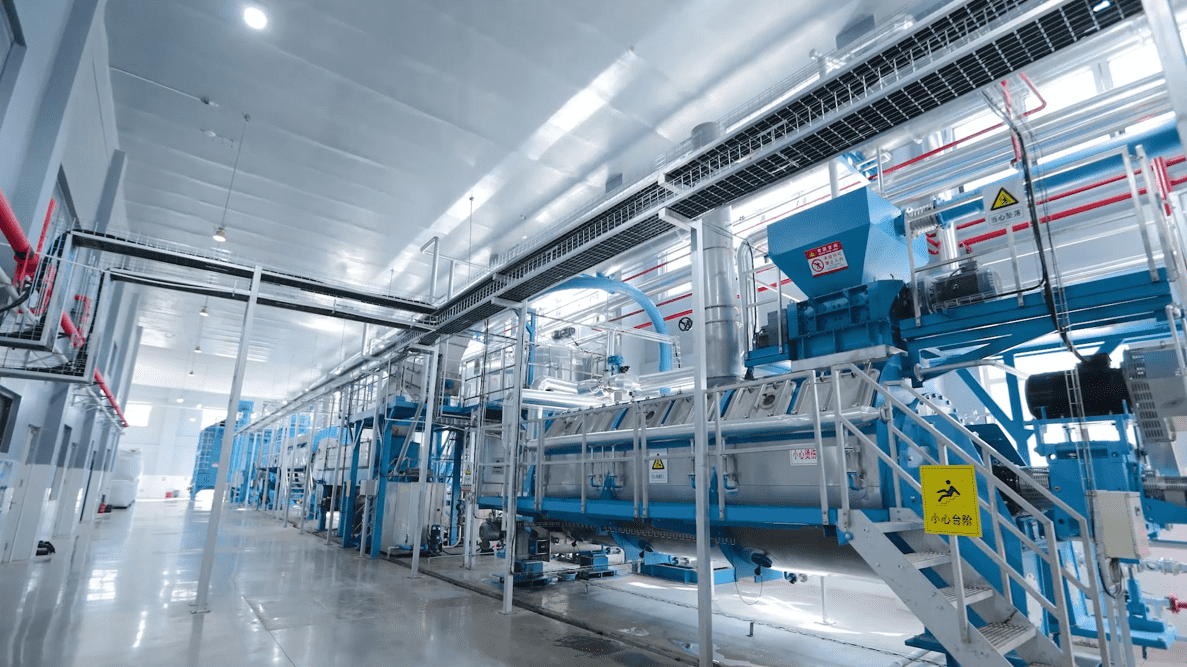
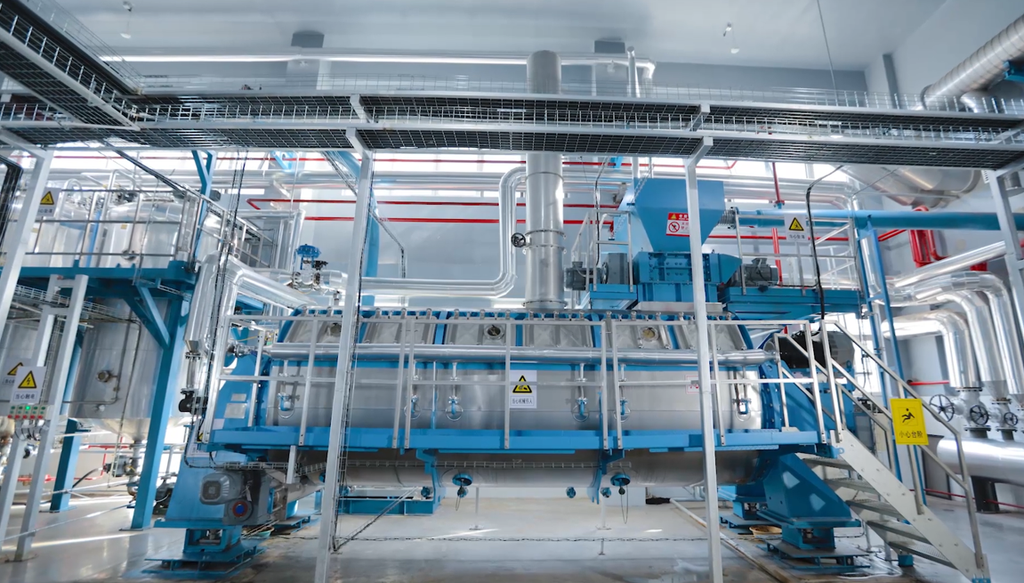
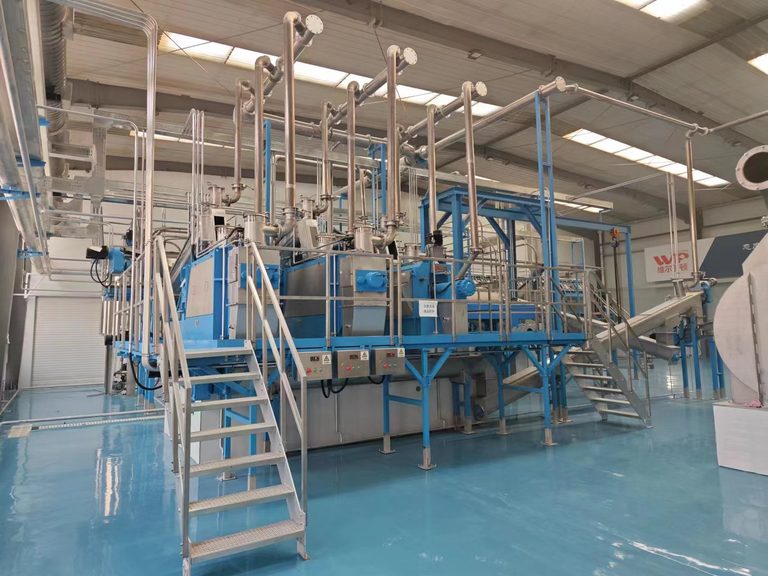
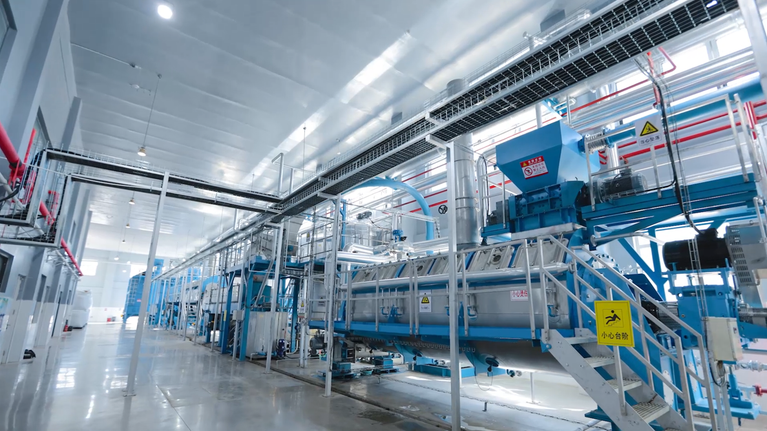
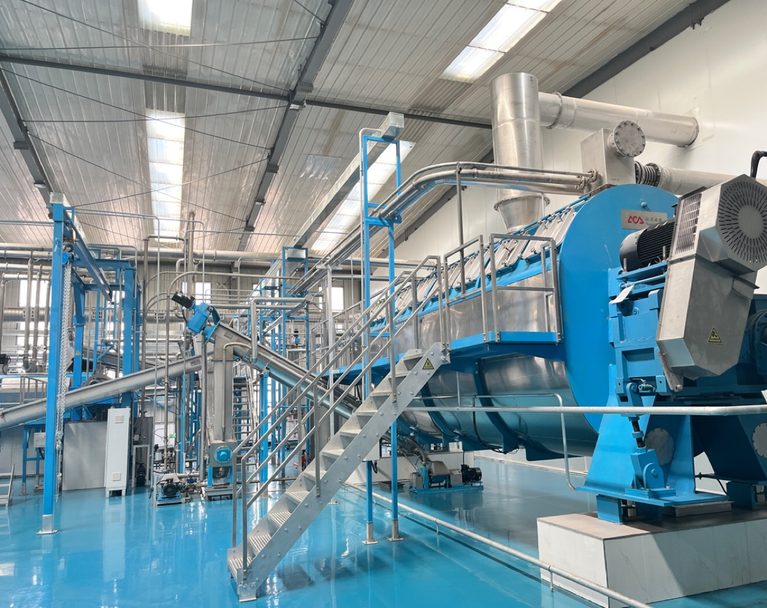
Walk the process stream in order, not the plant layout. A layout walk follows the aisles and misses exactly the interfaces where defects hide, which are the transfer points between one supplier’s scope and another’s. On a slaughter waste line the sequence you are walking typically reads modular mini rendering units, feather pump, feather water separation sieve, feather squeezer, crusher, raw material bin, cooker, paddle dryer, coil dryer and hydrolyzer. Every handover between those items is a place to look.
Receiving. Watch the bin meter material instead of dumping it. A receiving bin built around a mechanical spiral separation rotor separates, caches and releases material at a uniform, quantitative feed rate, so ask to see it hold that rate through a full load. An uneven feed shows up two hours later as inconsistent cook and meal with wandering moisture.
Separation. Liquid-solid separators with automatic cleaning systems should be demonstrated, not described. Watch a full cleaning cycle run and confirm the wash water and foul liquid go where the drawings say.
Cooker and dryer access. Can a fitter reach the door seals, the jacket connections and the thermowells without dismantling guard rails? Access discovered at month six is the most expensive item on any punch list because the fix is a modification, not a repair.
Scrubber train. Confirm the tower body, liquid spraying system, foul liquid collection and control system are installed so each stage can be drained, flushed and inspected on its own. A train that can only be cleaned as a whole will eventually be cleaned badly.
Utilities. Steam isolation, traps, drains, instrument air quality and condensate routing. These are the least photographed and most frequently wrong.
Structure the punch list as four columns: defect, responsible trade or supplier, agreed remedy, close-out date. Anything without a named owner is not a punch item, it is a complaint. Classify each as cosmetic, functional or safety, and allow only the cosmetic category to stay open at handover. A safety defect is never a punch item, because a list implies a later date and a hazard does not wait for one.
Photograph every defect and every concealed installation before it is boxed in, ducted over or insulated. Those photographs are the only evidence you will have in a warranty argument two years from now.
Gate 2: Proving the Plant Actually Sterilizes, Not Just That It Heats
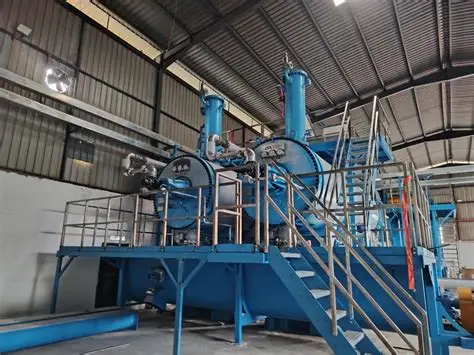
Heating is easy to demonstrate and sterilization is easy to assume, which is why this gate gets waved through with a nod. On a batch cooker the raw material is hydrolyzed for roughly 30 minutes at the start of the process, the heating stage reaches 140 degrees Celsius at 0.5 MPa of pressure, and that regime is what kills harmful bacteria such as E. coli. Hydrolyzers used on feathers work at a comparable temperature to break down keratin as well as kill bacteria. Vacuum drying after sterilization removes the extra moisture. None of that tells you whether your plant, with your material, actually achieved the regime on every batch.
The regulatory logic matters here. Material falling under an animal by-products framework has to be processed to a defined time and temperature regime, and the obligation to prove it sits with the operator, not the equipment supplier. The exact parameters and documentation requirements depend on your jurisdiction and the material category, so confirm them against your competent authority before you sign anything.
Demand the validation file, not the advertising claim. Thermocouple calibration certificates, a cold-spot survey identifying the slowest-heating point in the vessel and confirming the probe sits there, and the pressure test record for jacket and vessel.
Witness a run on the worst case. The coldest, largest, wettest pieces in the mix, not small even trim. A validation performed on material that heats evenly proves nothing about a whole carcass or a frozen block.
Look at the batch record itself. It must capture the actual time and temperature curve. A printed curve or an exported data log is evidence; a green light on the HMI is not.
Test the deviation path deliberately. Drop the temperature below setpoint mid-cycle during commissioning, while the contractor is still on site, and watch whether the batch holds, alarms or releases.
Trace a finished lot back to a cook cycle. Batch identity has to survive the process so a load of meat and bone meal or feather meal can be tied to a specific cycle. Traceability that exists only on paper stops being traceability in the first busy week.
Ask who signs the validation report and whether that person will still be reachable when an inspector asks about it three years later.
Automated control of temperature and pressure helps enormously here, but only if the alarms and the data trail are configured to protect the batch rather than to protect the schedule.
Gate 3: The Performance Acceptance Test, and How to Stop a Contractor Cherry-Picking the Easy Material
Acceptance is arithmetic, not atmosphere. Four numbers decide it, and all four should be written into the contract with a measurement method before the first delivery arrives.
Throughput on the design raw material mix, measured over a defined run rather than quoted as a peak.
Yield of fat and meal, reconciled against the mass balance instead of stated as a percentage nobody can audit.
Product quality: final moisture and residual fat in the meal, measured by a named method on split, sealed samples.
Specific consumption: energy and steam per tonne of raw material, metered separately.
Close the cherry-picking loophole in the contract, not in the meeting. The raw material specification for the acceptance run belongs in writing in advance, including fat content, bone content, feather or offal proportion and incoming temperature, and the contractor has no right to select the load. Set the run length and sampling plan too: enough consecutive hours or batches to reach stable operation, samples taken by you or an independent party, split and sealed, with the analytical method named.
Reconcile the balance on paper while the run is happening. Weigh material in, weigh meal and fat out, account for moisture driven off and solids leaving with the effluent, and explain any gap before anyone leaves the site. A plant that hits throughput while burning far more steam than the design case has simply moved cost from the capital budget to the operating budget.
State the criterion and the consequence together. What happens if throughput is met but moisture runs high, or yield is good on a clean load and falls away on real offal? Partial acceptance is a negotiation, so decide beforehand which numbers are pass or fail. Take the plant that passes on low-fat trim and clean bone in a cool week: the yield quietly declines the moment the greasy, wet, variable offal a slaughterhouse actually generates arrives. That pattern is why handling variable raw material loads deserves its own protocol rather than a paragraph here. And settle the design-boundary question first: what mix does your plant genuinely receive? Testing on material the site will never see is theatre.
Gate 4: Environmental Sign-Off on Odour, Condensate and Emissions, and the Name of the Person Who Owns It
Environmental acceptance is a measured, witnessed event with a signatory, not an assumption that the scrubbers look installed. This is the gate that fails six weeks after everyone has gone home, usually in the first hot spell.
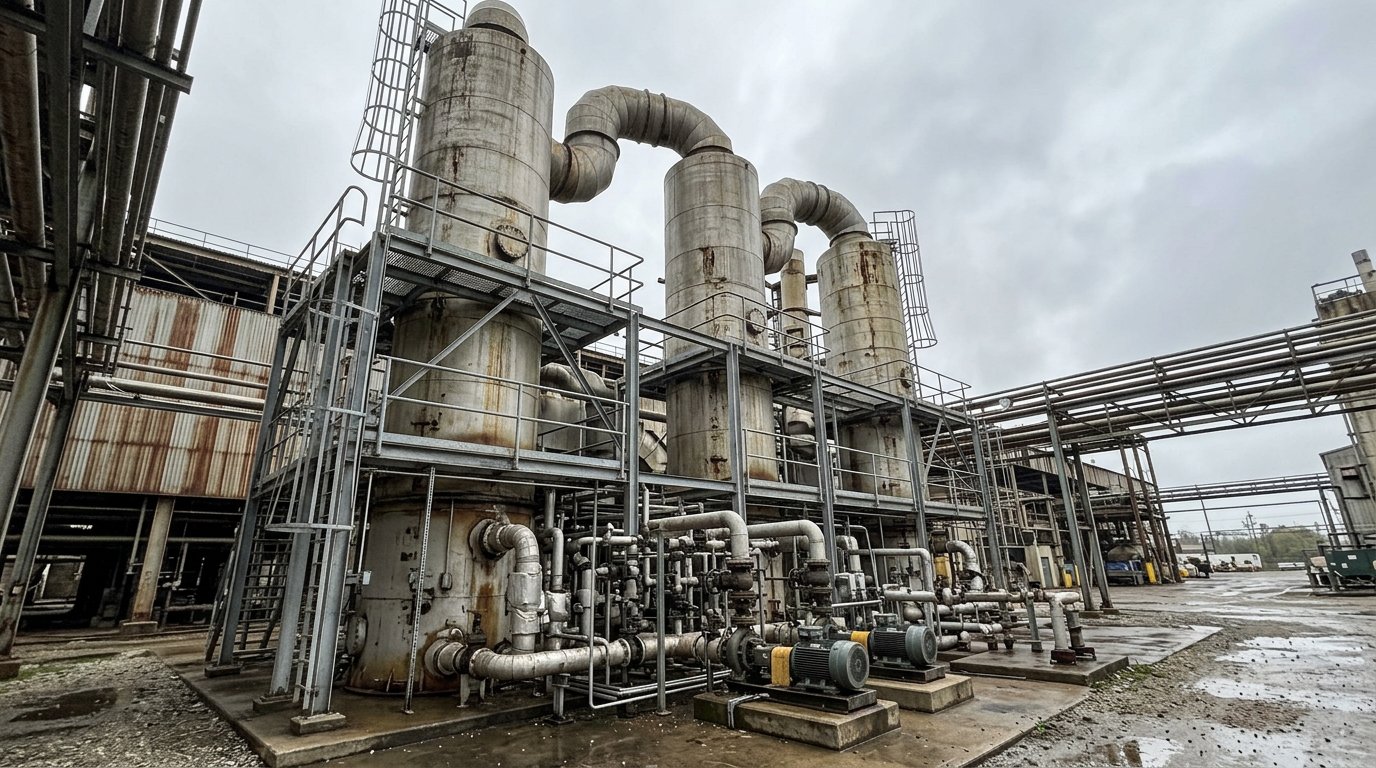
Test the train as a system. A three-stage sequence of acid wash, strong oxidizer wash and alkali wash only works if each stage holds its own operating window and the flow order is correct. The acid stage neutralizes ammonia and other basic gases, the oxidizer stage attacks odor-causing organics and reactive compounds, and the alkali stage captures residual acids to produce a polished exhaust. Reversed or bypassed, the train still looks complete and stops working.
Confirm the instrumentation is logged and exportable. The control system should monitor liquid level, flow and pressure, and a regulator or a neighbour will eventually ask what the scrubber was doing on a specific date. Ask for the acceptance run history, not the last five minutes on screen.
Measure what goes to drain. Volume, temperature and solids in the condensate and effluent. A surprising share of handover disputes are really about who pays for an effluent plant that was never in scope.
Walk the air side with a nose and a plan. Duct joints, fan balancing, the air washer that regulates humidity and polishes air quality, and building pressure. Most odour complaints trace to fugitive emissions from an enclosure or an open door, not to the stack.
Name the signatory. Owner, environmental consultant or permitting authority. Permit conditions signed off by nobody at handover get discovered at the first inspection.
Keep a call-back right. Retain a contractual entitlement to an odour performance re-check, and hold retention long enough to cover it.
Three scrubber towers connected in series by ductwork at a rendering plant odour control installation
Gate 5, Part One: The Documentation Pack That Changes Hands With the Keys
Paper is the cheapest thing a contractor can deliver and the most expensive thing to reconstruct. Ask for one indexed handover folder, physical and digital, with a contents sheet the contractor signs. An unsorted box of manuals is not a documentation pack.
As-built drawings, not design drawings. The version reflecting the pipe that got rerouted on site is the only one worth keeping. Check two or three against reality with a torch before you accept the set.
O&M manuals for every supplied item, in the language your maintenance team reads, with the spare parts section populated rather than marked to follow.
PLC and control system assets. Program backups, the parameter set as commissioned, the HMI project file, and administrative access rights. Without these you are permanently dependent on the supplier for any change, including a setpoint. Plants running PLC automated production systems still need the owner to hold the keys to the logic.
Electrical and instrumentation records. Loop drawings, instrument list with ranges and calibration dates, motor schedules, panel schematics as built.
Pressure vessel records. Weld documentation and any statutory inspection certificates required where you operate. The cooker or hydrolyzer is a pressure vessel and the paperwork is not optional.
Material and batch records plus a product specification sheet for meal and fat, so the first consignment to a feed customer travels with something credible.
Photographic record of concealed work. Foundations, embedded items, duct internals, insulation, and the inside of vessels before closing.
Warranty documents per item, with start dates matching the handover date rather than the shipment date, and the exclusion list attached to each.
Data-driven monitoring and early fault detection only pay off if the owner can read the data and change the rules, which is exactly what the control system assets decide.
Gate 5, Part Two: Training That Survives the Contractor Leaving
A friendly walkthrough is not training. What you need is a competence matrix tied to specific tasks and specific people, so the plant can demonstrate who was taught what, and can spot the shift that was never taught at all.
Build the matrix by role and task, not by day. Who starts and stops the line, who releases a batch, who adjusts cook parameters, who cleans the scrubber, who responds to a temperature deviation alarm.
Cover every shift and every relief operator. Training the day crew and letting the night shift learn secondhand is how a validated process quietly drifts out of specification.
Make user accounts part of the record. Which named users were created, at which permission levels, and who holds administrator rights. Shared logins destroy traceability in a way that is very hard to undo.
Sign off competence by observation. An operator doing the task in front of an assessor, not a signature on an attendance sheet.
Train the deviation paths. Loss of steam, power interruption mid-cook, scrubber pump failure, a blocked decanter. These decide whether the night shift makes a good call at three in the morning.
Train record keeping explicitly. Validation evidence is only as good as the batch record written by the least experienced operator on the least supervised shift.
Hand over the trainer. If only the supplier’s engineer can train, the capability leaves the day that engineer is reassigned. Insist that a named site person is trained to deliver the training.
Retention, the Defect Liability Period, and Proving a Yield Shortfall Once the Contractor Has Gone
Agree retention before the first delivery, not at handover. A retention percentage first raised in the handover meeting is being negotiated by someone with no leverage left, while the schedule pressure sits entirely on your side. Confirm what your own contract law permits for retention, notice periods and enforcement of agreed remedies rather than assuming a market norm, because those rules differ by jurisdiction and the assumption is usually wrong.
Pin the defect liability period to the handover date in writing. A plant that spent several weeks in commissioning on the contractor’s schedule should not lose those weeks of warranty to that delay.
Write the notice procedure while everyone is still friendly: the form a defect report takes, who receives it, the response window, and what happens when nobody responds. A good claim defeated on procedure is still a claim you lost.
Then settle in advance how a yield shortfall gets proved. The acceptance test becomes the baseline, and the comparison uses the same raw material specification, the same sampling method and the same laboratory. Without an agreed baseline a shortfall is an opinion, and opinions do not survive a commercial meeting. Keep the records that make the claim possible: intake weights, output weights of meal and fat, energy and steam meter readings, and batch logs exported from the control system. An owner who cannot produce these has lost the argument before it starts.
Decide what a remedy actually looks like. A price adjustment, remedial works, extended support or a spares credit. Money back is rarely as useful as a plant that works.
Set the first-year spares holding with the contractor’s input and write it into the pack, along with the consumables that run out first: door seals, screens, bearings, scrubber pump parts, filter media, squeeze elements and hammers. Frame total cost of ownership as drivers rather than figures, meaning specific energy and steam per tonne, spares consumption, wear part life, effluent treatment cost, and the labour that the level of automation lets you avoid.
One whole-life decision belongs in the pack too: whether fat and meal go to biodiesel feedstock, feed or fertiliser. The destination sets the specification the plant must hit every day, and changing it later changes what the acceptance test should have measured.
Your Handover Meeting: What to Sign, What to Withhold Signature On, and What to Ask Before You Buy
Take a written position into the room and the conversation stays technical. Improvise and it becomes personal.
Safe to sign at mechanical completion: installation quality, drawings received, punch list agreed with named owners and dates for each item.
Not safe to sign: anything described as final acceptance before gates two, three and four have evidence behind them.
Withhold final acceptance while any of these are outstanding: no documented time and temperature validation, an acceptance test run on material you did not select, open safety defects, no control system backups or administrator access, no training records per shift, no environmental sign-off.
Say it without aggression. Acceptance is conditional on the evidence list, the list is in the contract, and the contractor is welcome to close items on an agreed schedule. That reads as professionalism rather than dispute.
If you are still specifying, ask earlier. Request the handover pack a prospective supplier will deliver, a sample validation report and the acceptance test format before the order is placed. A supplier who produces them on request has usually done this before.
Frequently asked questions
What documents should I receive at a rendering plant handover?
You should receive as-built drawings, O&M manuals with populated spare parts lists, PLC program backups and administrator access, electrical loop drawings and instrument lists, pressure vessel records and inspection certificates, batch records and product specification sheets, photographs of concealed work, training records per shift, and warranty documents dated from the handover day rather than shipment.
How long does a rendering plant handover take?
There is no fixed figure, but expect weeks of cold and hot commissioning before any acceptance run, then an acceptance run long enough for stable operation and for first wear to appear. Keeping mechanical completion, commissioning and acceptance weeks apart protects the owner, because each stage releases money only on evidence rather than on schedule pressure.
Can I withhold final acceptance payment if the performance test fails?
Only if the contract says so, which is why retention and acceptance criteria belong in the agreement before the first delivery. Withhold signature rather than arguing about money afterwards, and state plainly that acceptance is conditional on the evidence list already in the contract. Decide in advance which numbers are pass or fail rather than treating partial acceptance as a negotiation.
Does a rendering plant handover include operator training?
It should, but a friendly walkthrough is not training. Ask for a competence matrix by role and task, covering every shift and relief operator, with sign-off by observation rather than attendance. Include control system user accounts and permission levels, deviation scenarios such as steam loss or scrubber pump failure, and a named site person trained to deliver future refreshers.



 Blog · 11 月 18, 2026 Soybean meal breaks 3,100, fish meal stands at 26,400: two proteins, two logics, in the same month Read More
 Blog · 11 月 11, 2026 A feather meal line at 20,000 tonnes a year: three accounts behind one EIA public notice Read More
 Blog · 11 月 10, 2026 On-Site vs Centralized Animal Rendering: How to Choose Read More
 Blog · 11 月 09, 2026 Rendering Plant Handover: Documents and Training Before You Take Over Read More
 Blog · 11 月 05, 2026 Imported meat and bone meal is imported according to “risk level”. Read More
 Blog · 10 月 28, 2026 Before You Replace Equipment, Do the Steam Math for the Line Read More