On November 17, the DCE soybean meal main contract closed at 3,081 yuan per ton, falling below the 3,100-yuan mark for the first time this year. On the other side,Peruvian super steam fish meal was quoted domestically at 26,400-26,500 yuan per ton, a record high, with port stocks down to 108,200 tons and still falling.Within the same month, one protein hit the bottom while another reached the top. For feed formulators, these are not two isolated markets – they are a substitution equation that needs to be recalculated.
Two logics, one label
The fall in soybean meal is the stacking of three pressures: a bumper South American soybean harvest, November soybean import arrivals expected to rise to 9.9 million tons,and crusher soybean meal stocks climbing to 1.3 million tons – compounded by deep losses in hog farming and feed mills buying only as needed. Pricing power has passed to the buyers.The rise in fish meal follows the same logic of “supply”, but in the opposite direction: Peru’s seasonal quota has tightened, producers have no sellable stocks, and holders are keeping prices firm.One label reads “protein”, yet behind it are two entirely independent supply-and-demand scripts. With the price gap stretched to more than eight times,the phrase “use cheaper protein” has, for the first time, come to a stand at the crossroads.
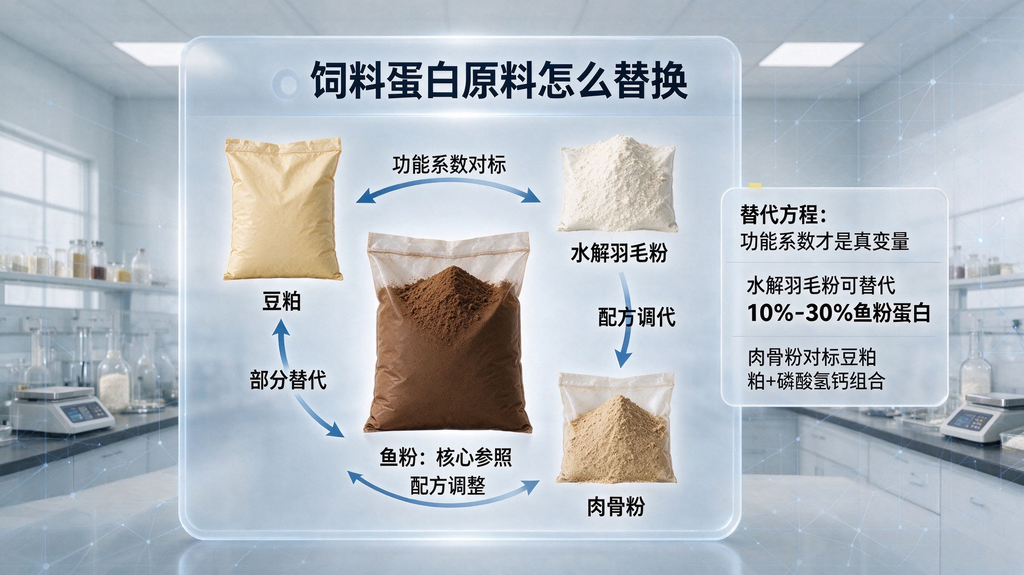
In the substitution equation, the functional coefficient is the real variable
Treating feather meal and meat bone meal simply as “cheap soybean meal” is the most common miscalculation in formulation. The value of feather meal lies in its high cystine content – the building material of feathers,eggshell membranes, fish scales and shrimp shells – substituting precisely the functional portion of fish meal. The value of meat bone meal lies in calcium,phosphorus and palatability, benchmarked against the “soybean meal plus dicalcium phosphate” combination.The real formula of the substitution decision is the price gap multiplied by the functional coefficient: when soybean meal falls to 3,100, on pure protein cost animal proteins do not have the advantage;but when fish meal surges past 26,400, the combination of “hydrolysed feather meal plus synthetic amino acids” in aqua feed truly begins to pay off – by common industry practice,this combination can replace 10%-30% of fish meal protein. And the seat of meat bone meal in poultry feed rests on stable,verifiable functional indicators such as digestibility and freshness, not on a price gap created by falling soybean meal.
How to line up the production line when markets diverge
Demand is not uniform. With fish meal at a record high, aqua feed mills will actively seek feather meal substitution, and orders for feather meal lines move forward accordingly.With soybean meal at the bottom, the rival of meat bone meal becomes “cheaper plant protein plus mineral supplements”, competing on stable indicators batch after batch.The period of deep hog-farming losses is precisely the validation window for alternative raw materials – when feed mills feel the greatest cost pressure,they are most willing to try new formulas. So the value of a processing line lies not in “how many tons it can run”,but in “how fast it can switch”: hydrolysis parameters adjustable to each customer’s digestibility target, a batch cooker taking small trial orders,a continuous hydrolyser taking bulk long orders – walking on two legs to catch the order swings thrown over by market shifts.
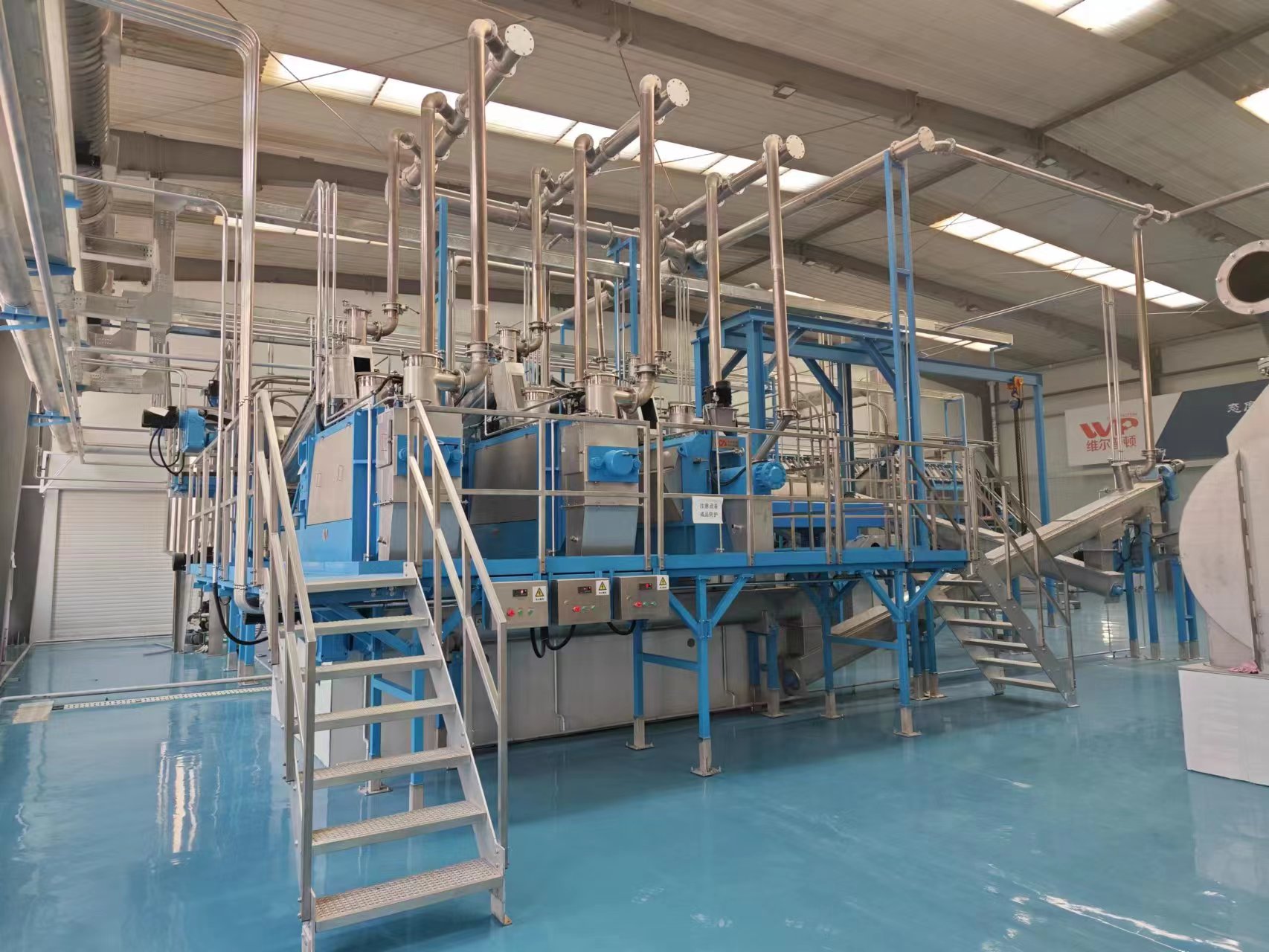
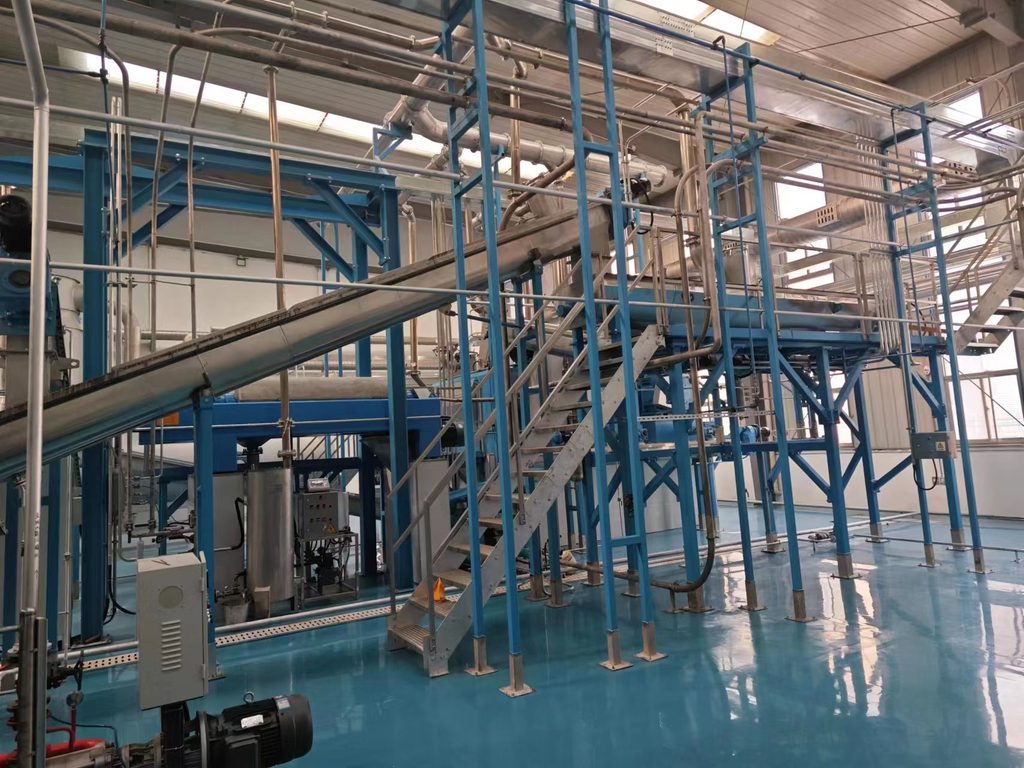
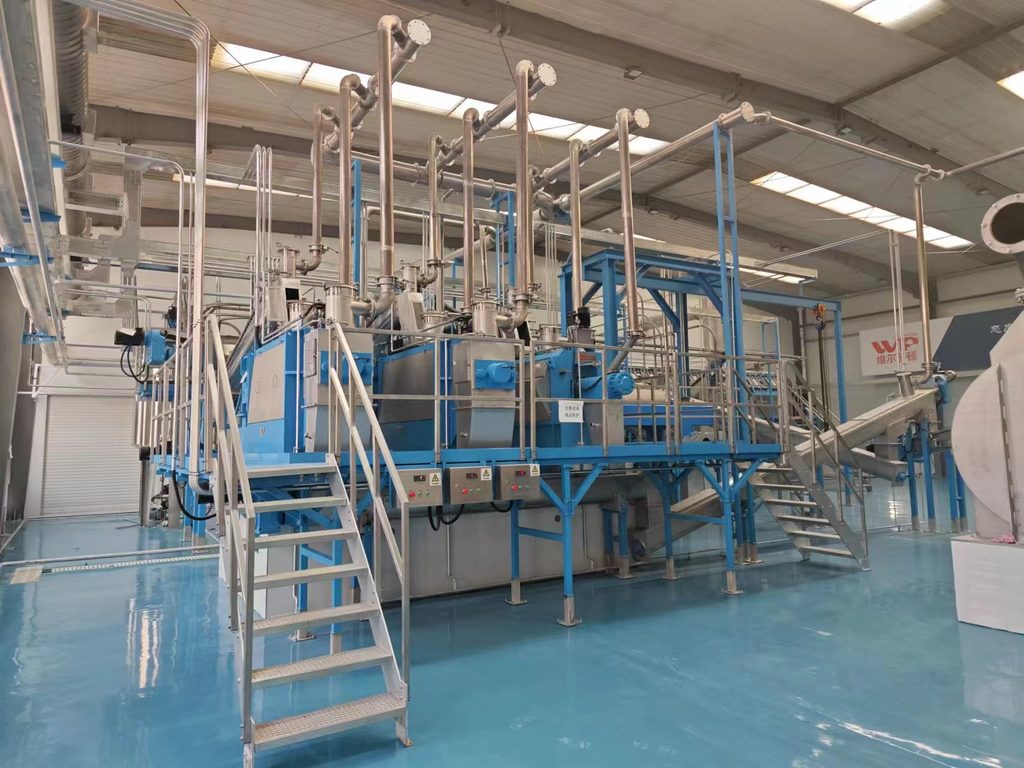
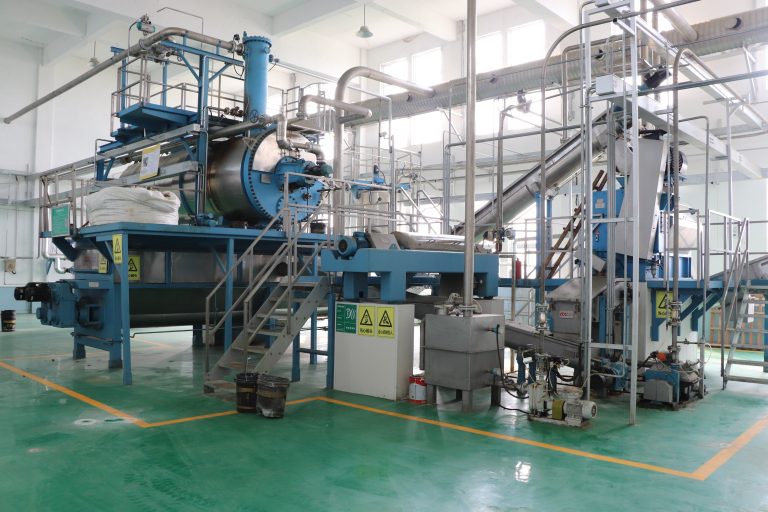
In the complete plants of Feather Meal Manufacture and Meat Bone Meal Manufacture delivered by Hebei Chengzhu Machinery Group,line flexibility is designed around “substitution elasticity” – whichever way the market moves,the formula switches accordingly, and the equipment must be waiting one step ahead.Beyond capacity and digestibility, there is a fourth account: factoring the market’s volatility into the customer’s line configuration.


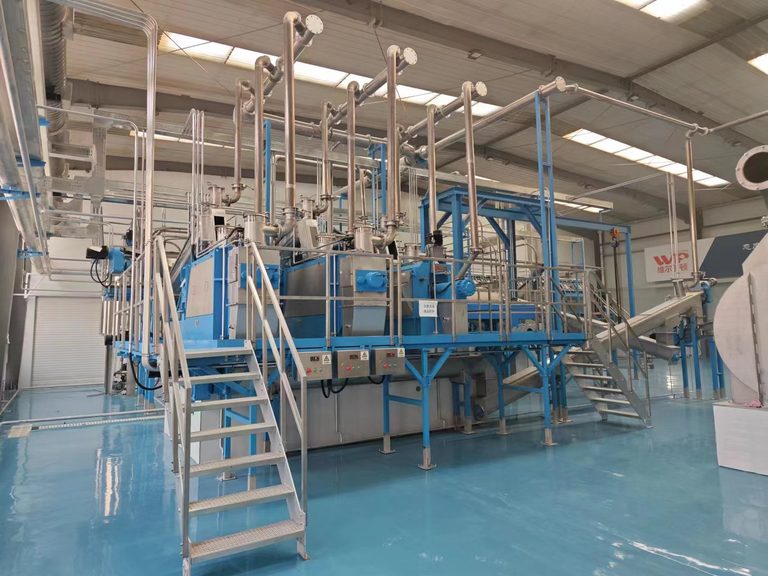 News · 11 月 18, 2026 Soybean meal breaks 3,100, fish meal stands at 26,400: two proteins, two logics, in the same month Read More
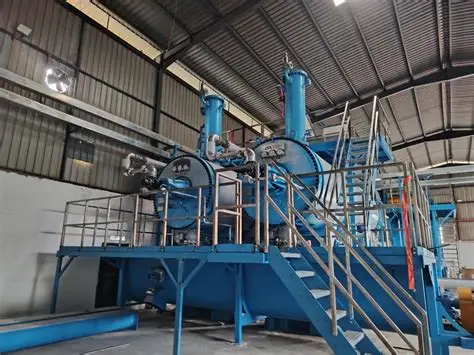 News · 11 月 11, 2026 A feather meal line at 20,000 tonnes a year: three accounts behind one EIA public notice Read More
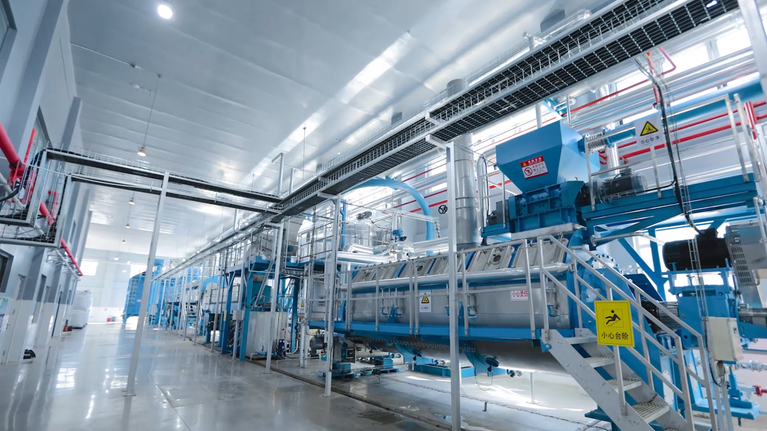 News · 10 月 28, 2026 Before You Replace Equipment, Do the Steam Math for the Line Read More
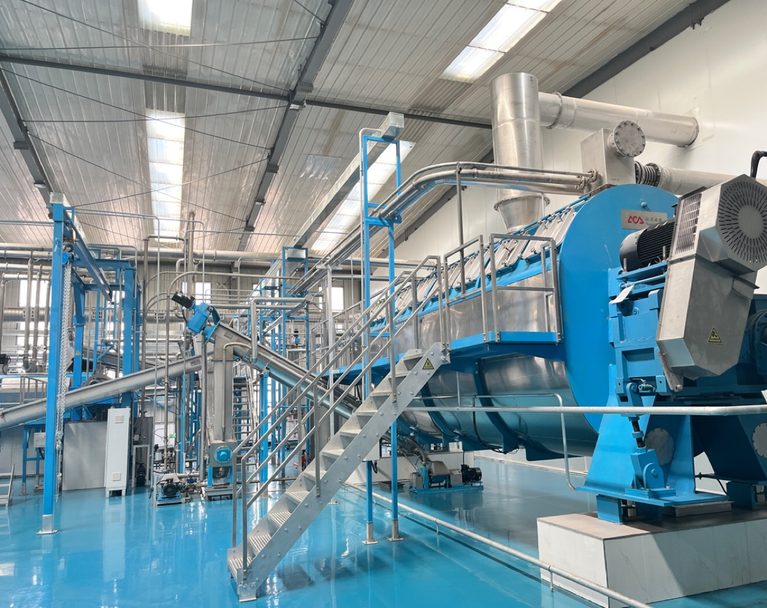 News · 10 月 21, 2026 In the Year of GMP Audits: Why One Slaughter Line Needs Three Rendering Lines Read More
 News · 10 月 14, 2026 From Smart Ear Tags to Processing Records: The Data Chain the “15th Five-Year” Livestock Plan Wants to Connect Read More
 News · 10 月 08, 2026 The By-Products Ledger: A Pig’s Second Income in a Low-Price Cycle Read More