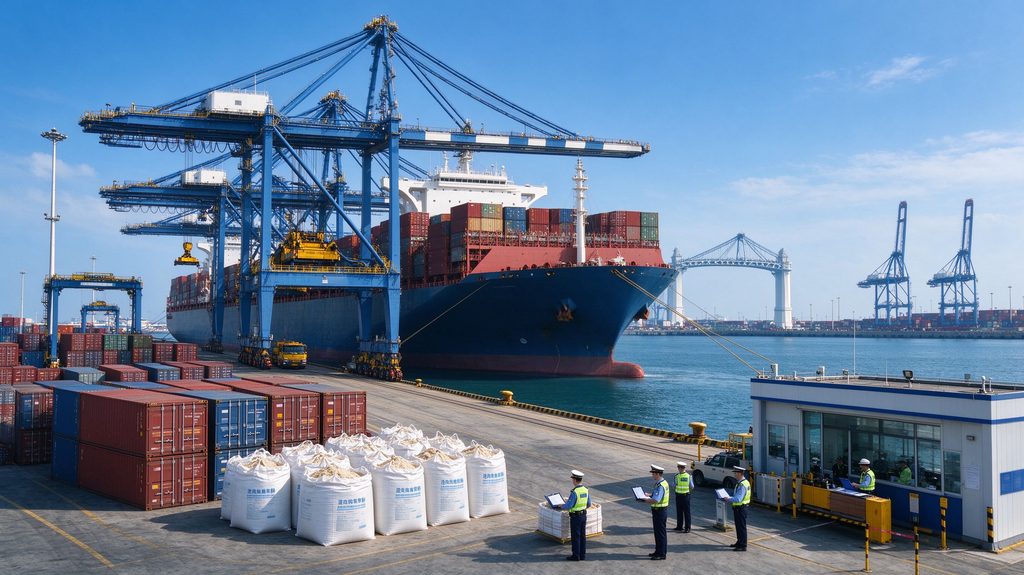
On November 1, the revised Measures for the Supervision and Administration of the Inspection and Quarantine of Imported and Exported Feed and Feed Additives (General Administration of Customs Order No. 283) came into force,and imported feed is now managed under a four-tier risk grading system (I–IV); in April this year,Announcement No. 51 already opened the Chinese market to Spanish pig-derived meat and bone meal.Whether a bag of imported meat and bone meal can enter the country now depends not only on the country of origin and the factory,but also on a set of processing parameters that can be checked item by item.
Why meat and bone meal is on the “sensitive list”
Under the risk grading list, most processed animal protein falls into Category II:quarantine approval before import and official certificates from the exporting country are required.The reason is written in Announcement No. 51 — animal protein fears “homologous contamination” most:once ruminant-derived components are mixed into pig-derived products, a door to disease transmission is opened.That is why the announcement requires a PCR test for ruminant-derived components with a negative result and a minimum detection limit of 0.1%,and Salmonella must not be detected in 25 g of product — not one of the five samples may fail.A laboratory can measure these numbers, but the place where they are truly “written in” is the production line.
Translating the accession terms into production-line language
The core processing requirement of the announcement is heat treatment at a center temperature of no less than 90°C for at least 15 minutes — in production-line language,this is the temperature–time curve of the cooking stage: every degree and every minute must stay within the critical limits and be automatically logged.On the workshop floor, HACCP means the critical limits set on the batch cooker temperature probes,the procedure for non-conforming batches and batch-by-batch records; for blood products, spray drying with an inlet air temperature of no less than 220°C,an outlet air temperature of no less than 80°C and holding for 20 minutes at above 60°C follows the same logic.Under the new rules, the “quarantine credential” is not just certificates and stamps, but a process curve that can be reproduced.
A production line “born compliant”
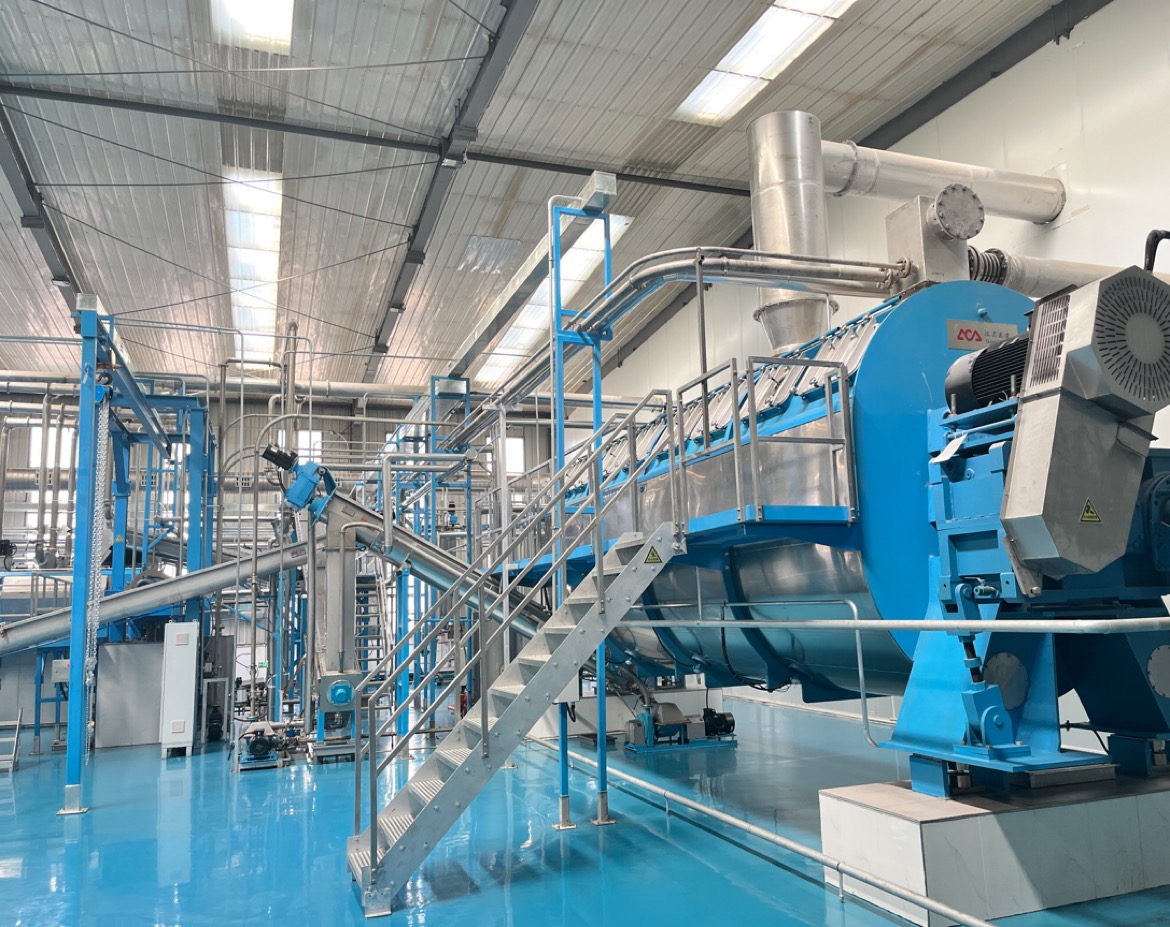
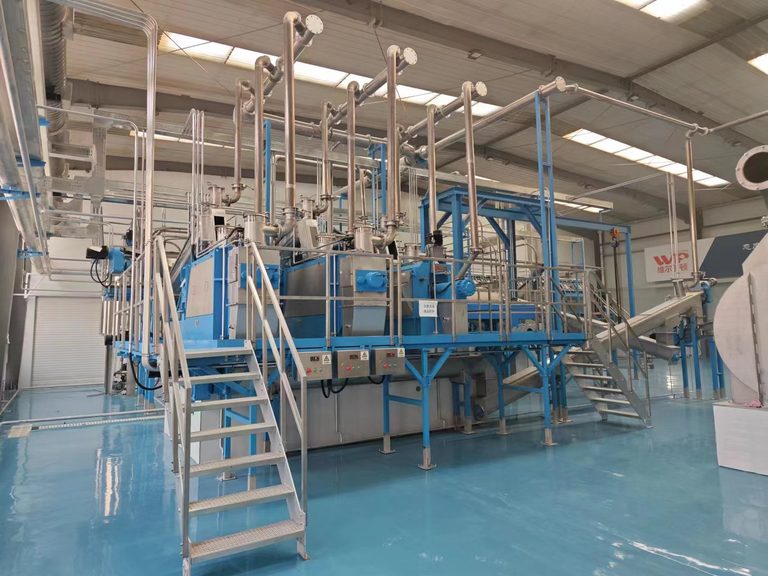
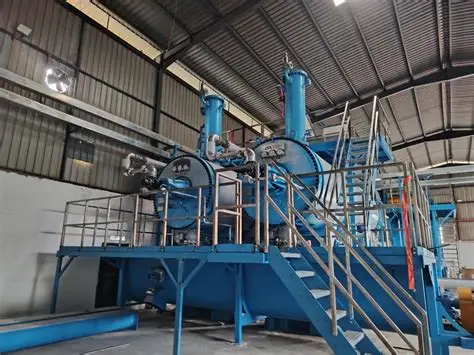
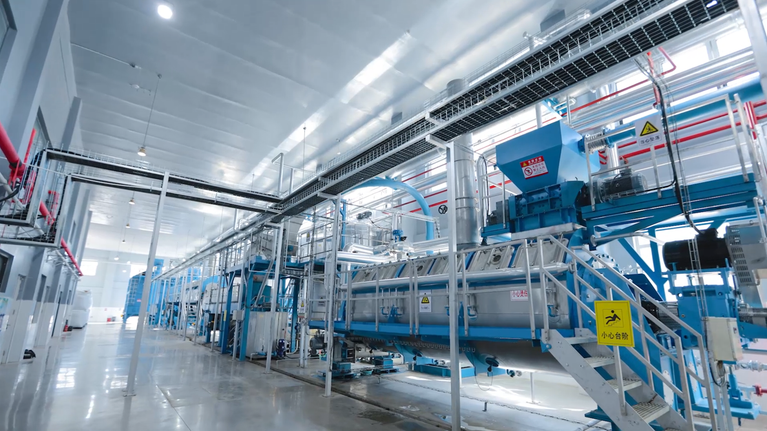
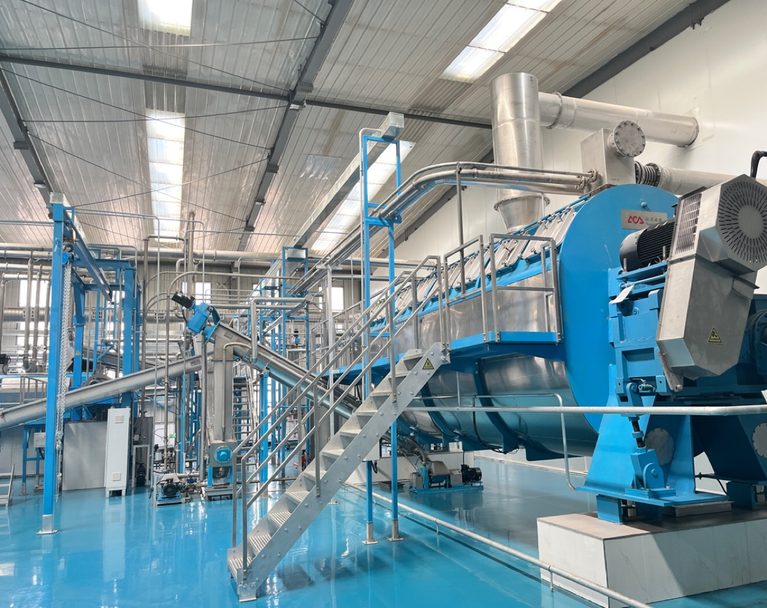
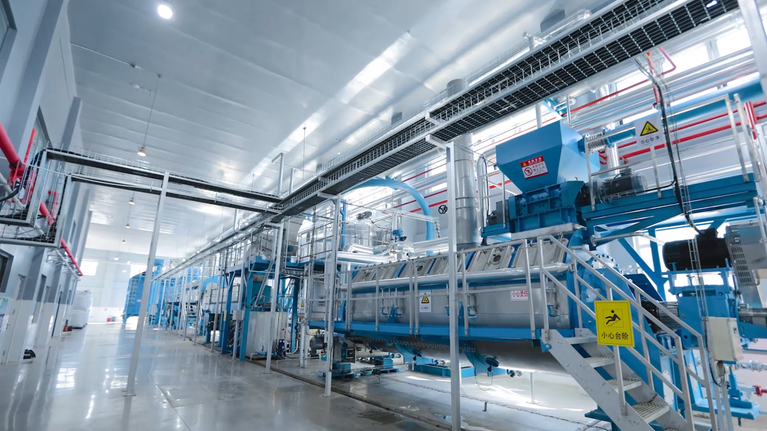
For the domestic line the logic is exactly the same. A complete meat and bone meal line starts with the pre-crusher,completes the high-temperature heat treatment in the batch cooker or continuous hydrolyser, removes fat with the screw press,brings moisture down to the safe level with the disc dryer, refines particle size in the meal cooler and milling plant,and packs after passing the metal detector. Compliance is not patched on at the end of the line:ruminant raw material never enters at the pre-crushing stage, the cooking curve is logged automatically,and every batch is retained as a sample corresponding to the quality inspection report. Order No. 283 is also good news for exporters— registration of export enterprises is simplified, the registration of overseas manufacturers is valid for a unified 5 years, and importer archives are kept for 3 years instead of 2.
Graded management on the import side and easier registration on the export side push competition in the same direction:whose production line is “born” more compliant. In the complete meat and bone meal manufacture projects served by Hebei Chengzhu Machinery Group,the critical limits of the cooking parameters and batch-by-batch traceability are configured according to the logic of quarantine accession from the drawing stage— when the passport of a bag of meal is written by the production line, the equipment supplier is the one who translates the regulatory terms into process in advance.



 Blog · 11 月 18, 2026 Soybean meal breaks 3,100, fish meal stands at 26,400: two proteins, two logics, in the same month Read More
 Blog · 11 月 11, 2026 A feather meal line at 20,000 tonnes a year: three accounts behind one EIA public notice Read More
 Blog · 11 月 10, 2026 On-Site vs Centralized Animal Rendering: How to Choose Read More
 Blog · 11 月 09, 2026 Rendering Plant Handover: Documents and Training Before You Take Over Read More
 Blog · 11 月 05, 2026 Imported meat and bone meal is imported according to “risk level”. Read More
 Blog · 10 月 28, 2026 Before You Replace Equipment, Do the Steam Math for the Line Read More