On October 15, China Agricultural Mechanization Guide reported a line from the 15th Five-Year Plan for the Development of the National Livestock and Veterinary Industry that is easy to skim past:strengthen the R&D and promotion of livestock product processing technologies and facility equipment, promote the replacement and elimination of outdated facilities and equipment,and form a closed loop of “R&D — promotion — replacement”. The next day, the final tranche of 2026’s ultra-long-term special treasury bonds was issued,closing the year’s 1.3 trillion yuan program — of which 200 billion yuan goes to equipment renewal, covering 22 sectors and more than 11,000 projects.
Policy and money are both on the table. Yet inside a slaughterhouse or a rendering plant, “replacing equipment” all too easily turns into a muddled account: the old line still runs,the new line’s quotation says “less steam, less power” — but how much exactly, hardly anyone has ever calculated. What you should calculate first is not the price of the equipment; it is the steam demand of the line.
Where Does the Steam Go
The first stage is hydrolysis or cooking — raising the material from ambient temperature to 130–180°C.Heating costs steam, holding temperature costs steam, and the higher the temperature and the longer the hold, the more expensive this stage becomes.The second stage is drying — evaporating water. It is the largest single item in the whole plant and the real heavyweight in this account.
Before steam enters the workshop it is just a pipe; inside the workshop it becomes cost: distribution,pressure reduction, condensate drainage — every stage leaks money.
Making the Dryer Work Less Is Cheaper Than Buying a Better Dryer
The material balance says it most directly. Take 1 ton of absolutely dry material: at 60% moisture the total mass is 2.5 tons and 1.5 tons of water must be evaporated;at 50% moisture the total is 2 tons and only 1 ton needs evaporating. For the same ton of dry material,one third less evaporation means one third less steam — the material itself has not changed, nor has the product.
So the order should be mechanical first, thermal second: screw press, decanter centrifuge,squeeze dewatering — press out the water that can be pressed, then hand the material to the dryer. The electricity needed to mechanically remove a ton of water is not in the same league as the steam cost of evaporating one.This is the most cost-effective stage in upgrading an old line,yet it is often scheduled after “replace the dryer” — because the dryer is visible, while the screw press is just an unremarkable cylinder on the line.
The feather meal line shows this most clearly. If hydrolyzed keratin goes straight into the dryer, the material is wet, sticky and prone to wall build-up,and the dryer can only cope by relying on longer residence time and higher temperature. Press first, then dry: what you save is not only steam— the color and pepsin digestibility of the meal are more stable as well. When one action improves both energy consumption and quality at the same time, that is where a retrofit should start.
The press section: squeeze the water out first — only then does the dryer earn the right to talk about “saving steam”.
The Water That Leaves as Vapor Still Has to Be Caught
Vapor carries odor and heat out of the dryer, condenses into condensate in the condenser, and the non-condensable gases go to the deodorizing system.This section is often treated as “environmental ancillary equipment”, but it is part of the energy account:if the heat-exchange area of the condenser is insufficient, vacuum drops, drying temperature falls, and operation can only compensate by stretching batch time — and the steam quietly climbs back.
Conversely, if the condensation section is designed correctly, the heat carried away by the exhaust gases can be recovered to preheat the feed— especially noticeable in northern winters.One more heat exchanger on the equipment list and several hundred extra tons of steam burned per year belong on the same comparison sheet.
The dryer’s outlet is not the end point: condensation, non-condensables and exhaust — the heat of all three stages is entered in this account.
When the Payback Period Is Wrong, the Denominator Is Usually to Blame
The payback of a retrofit = incremental investment ÷ annual saving. The numerator is easy to write;the denominator is where it gets fuzzy: counting only “the steam saved” while forgetting labor, spare parts and downtime —and yield. Every percentage point shaved off the residual oil in the press cake means extra tons of oil per year, often worth more than the steam.One more commonly ignored gain: the extra capacity from shorter batch cycles, which in peak season is revenue you can actually bank.
By the time the account is done, equipment selection is no longer a matter of preference:fix the material balance first, then decide how much water must be evaporated, and only then consider the dryer model and the heat-exchange area.Hebei Chengzhu Machinery Group works in exactly this order — starting from the material balance to work out how much water a line must evaporate and how much heat can be recovered, and then linking crushing,hydrolysis, pressing, drying, milling and waste gas treatment into a line that keeps its rhythm. Policy opens the window; whether the money is well spent is written in this table.




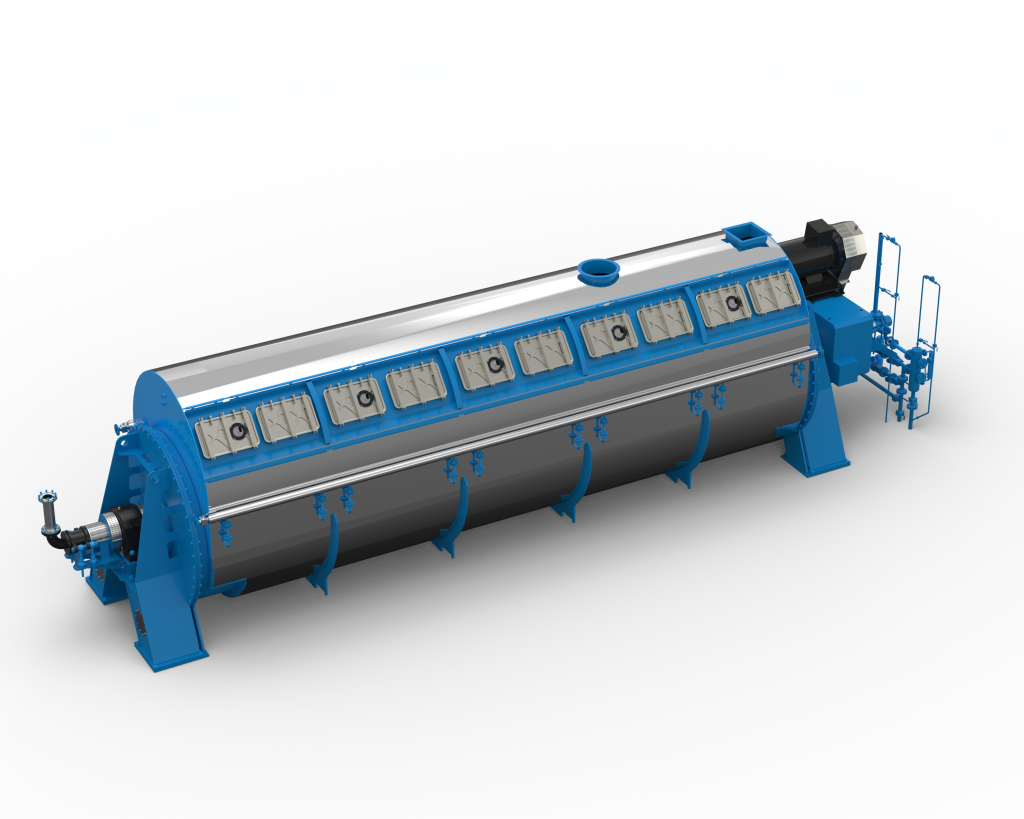
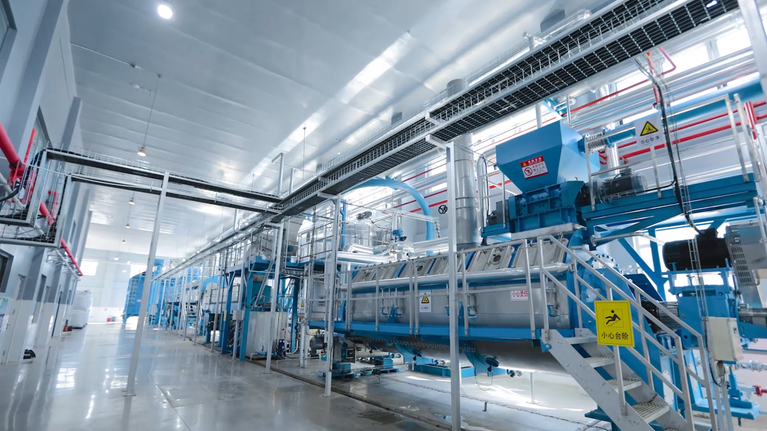 Blog · 10 月 28, 2026 Before You Replace Equipment, Do the Steam Math for the Line Read More
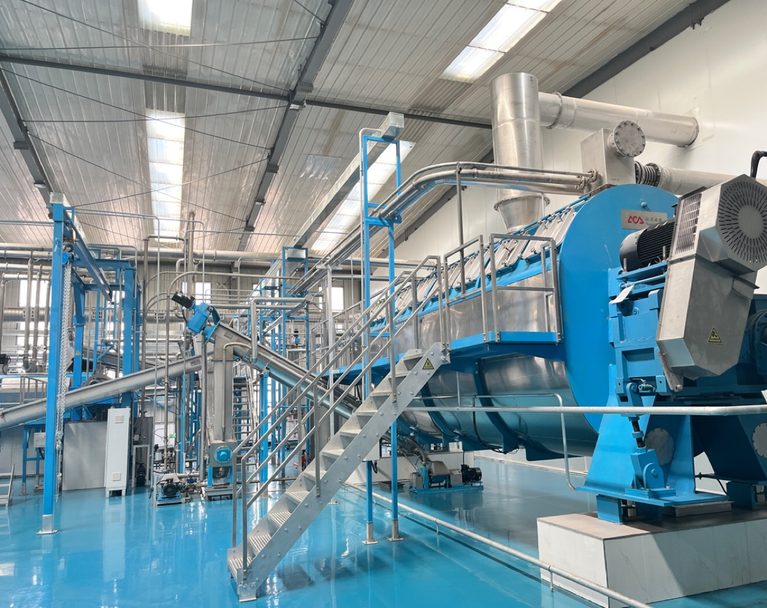 Blog · 10 月 21, 2026 In the Year of GMP Audits: Why One Slaughter Line Needs Three Rendering Lines Read More
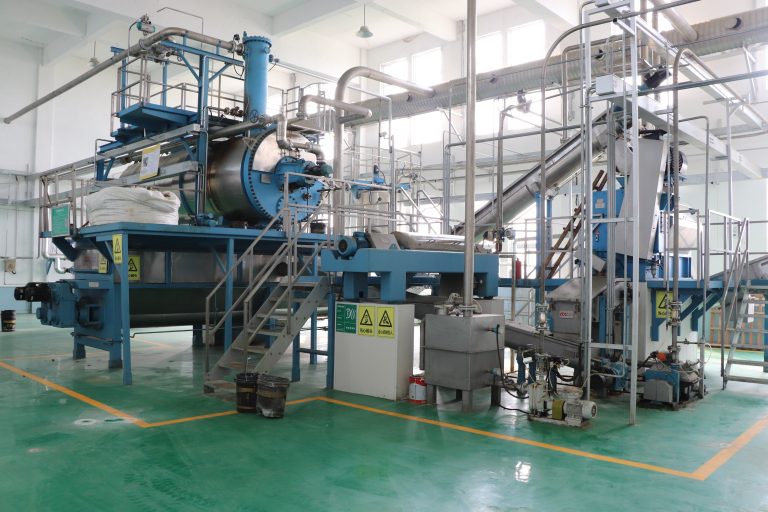 Blog · 10 月 14, 2026 From Smart Ear Tags to Processing Records: The Data Chain the “15th Five-Year” Livestock Plan Wants to Connect Read More
 Blog · 10 月 08, 2026 The By-Products Ledger: A Pig’s Second Income in a Low-Price Cycle Read More
 Blog · 9 月 24, 2026 How to Plan Spare Parts for a Rendering Line: Critical Spares vs Routine Wear Parts Read More
 Blog · 9 月 24, 2026 Animal Rendering Line Start-Up and Shutdown Checklist Read More