On November 1, a project in Maoming, Guangdong — an annual output of 20,000 tonnes of feed protein (high-temperature and high-pressure hydrolysed feather meal) — went through its first environmental impact assessment public notice,open until November 17: a total investment of 9 million yuan, 20 mu of land, 30 employees, 300 working days a year,one shift of 10 hours a day. Feathers have long ceased to be “waste” from the slaughterhouse— they are a protein raw material now counted by the tonne. How does one line eat 20,000 tonnes? The answer lies in three accounts.
The first account: 66.7 tonnes a day — capacity is worked out backwards
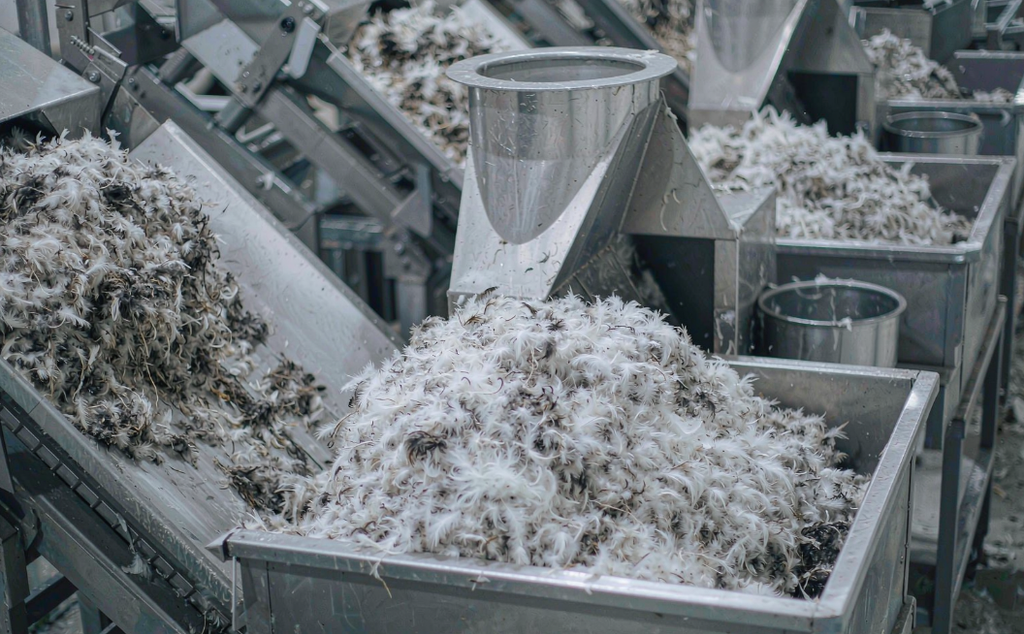
20,000 ÷ 300 ≈ 66.7 tonnes of finished product a day; on a single 10-hour shift, that is 6.7 tonnes per hour.Work it backwards to raw material: fresh wet feathers are about two-thirds water, and at a yield of around 30%,this line takes in roughly 200 tonnes of wet feathers a day — the daily slaughter volume of over a million broilers in the surrounding area.No single poultry slaughterhouse can supply that, so the first account before siting a feather meal plant is the collection radius:cross-city scheduling, freshness preservation and freight decide whether the line runs full or half hungry.
The second account: from 40% to 85% — digestibility is the only hard indicator
Feathers are 90% keratin, whose molecules are cross-linked by disulfide bonds like wire mesh; without thorough hydrolysis,pepsin digestibility is only 40%–60%, and feeding it to livestock is virtually wasted.High-temperature and high-pressure hydrolysis — industry parameters are generally 0.3–0.5 MPa,130–150°C, held for half an hour or more — breaks the disulfide bonds and pushes digestibility above 80%;some companies use microbial pretreatment to reach 85%. The crude protein of feather meal is generally above 80%,so the numbers look alike on paper; what buyers should really check is digestibility— which is also the core goal of line design: the three parameters of the hydrolysis stage, temperature,pressure and time, are locked and cannot be cut.
The third account: the costliest section, which the notice does not mention
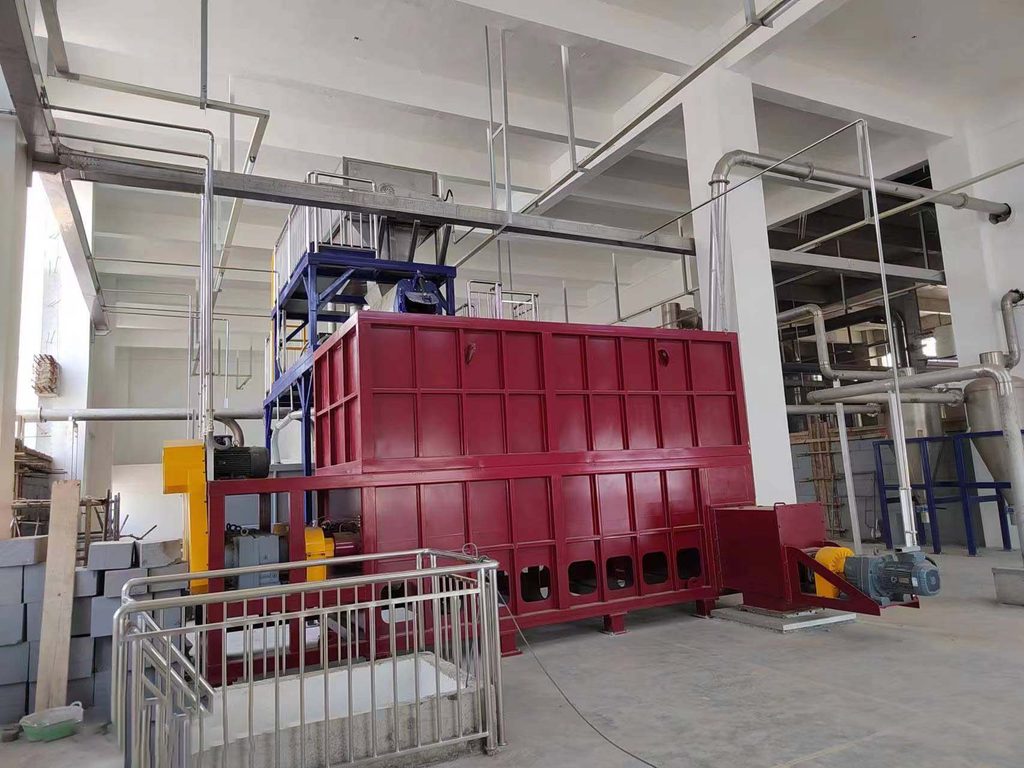
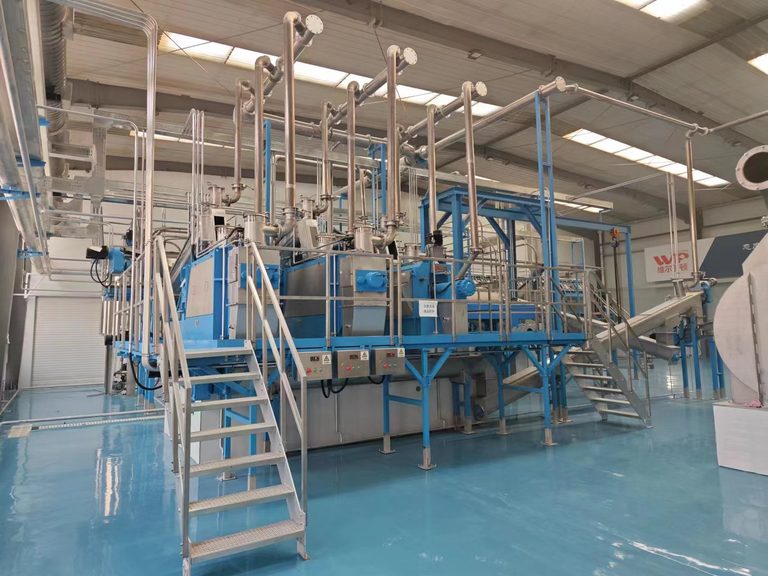
The notice lists only investment, land and headcount,but the sulfurous odorous gas and high-COD wastewater from hydrolysis often take the largest share of investment and operating cost:exhaust from the hydrolyser must pass the cyclon dust collector and condensation recovery,then go through the scrubber or ionization tower before it can be discharged. “30 employees, one 10-hour shift” means the whole line is automated,with labour only in feeding, packing and inspection — which also explains the split in equipment selection: a continuous hydrolyser suits this kind of single-product,high-volume project, while a batch cooker is left for plants with multiple products and small batches.Where the 9 million yuan actually goes is decided in the line design.
Capacity worked back from the collection radius, hydrolysis parameters locked to the digestibility target,the environmental section reserved to the emission standard — in the complete feather meal manufacture projects served by Hebei Chengzhu Machinery Group,these three accounts are settled before the drawings are made. A public notice is only one page of paper; what really decides whether the line makes money is how those three accounts land in the equipment.

 News · 11 月 18, 2026 Soybean meal breaks 3,100, fish meal stands at 26,400: two proteins, two logics, in the same month Read More
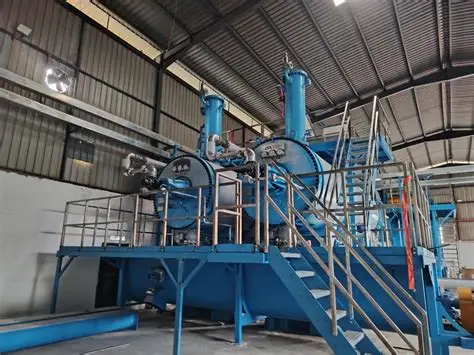 News · 11 月 11, 2026 A feather meal line at 20,000 tonnes a year: three accounts behind one EIA public notice Read More
 News · 10 月 28, 2026 Before You Replace Equipment, Do the Steam Math for the Line Read More
 News · 10 月 21, 2026 In the Year of GMP Audits: Why One Slaughter Line Needs Three Rendering Lines Read More
 News · 10 月 14, 2026 From Smart Ear Tags to Processing Records: The Data Chain the “15th Five-Year” Livestock Plan Wants to Connect Read More
 News · 10 月 08, 2026 The By-Products Ledger: A Pig’s Second Income in a Low-Price Cycle Read More